



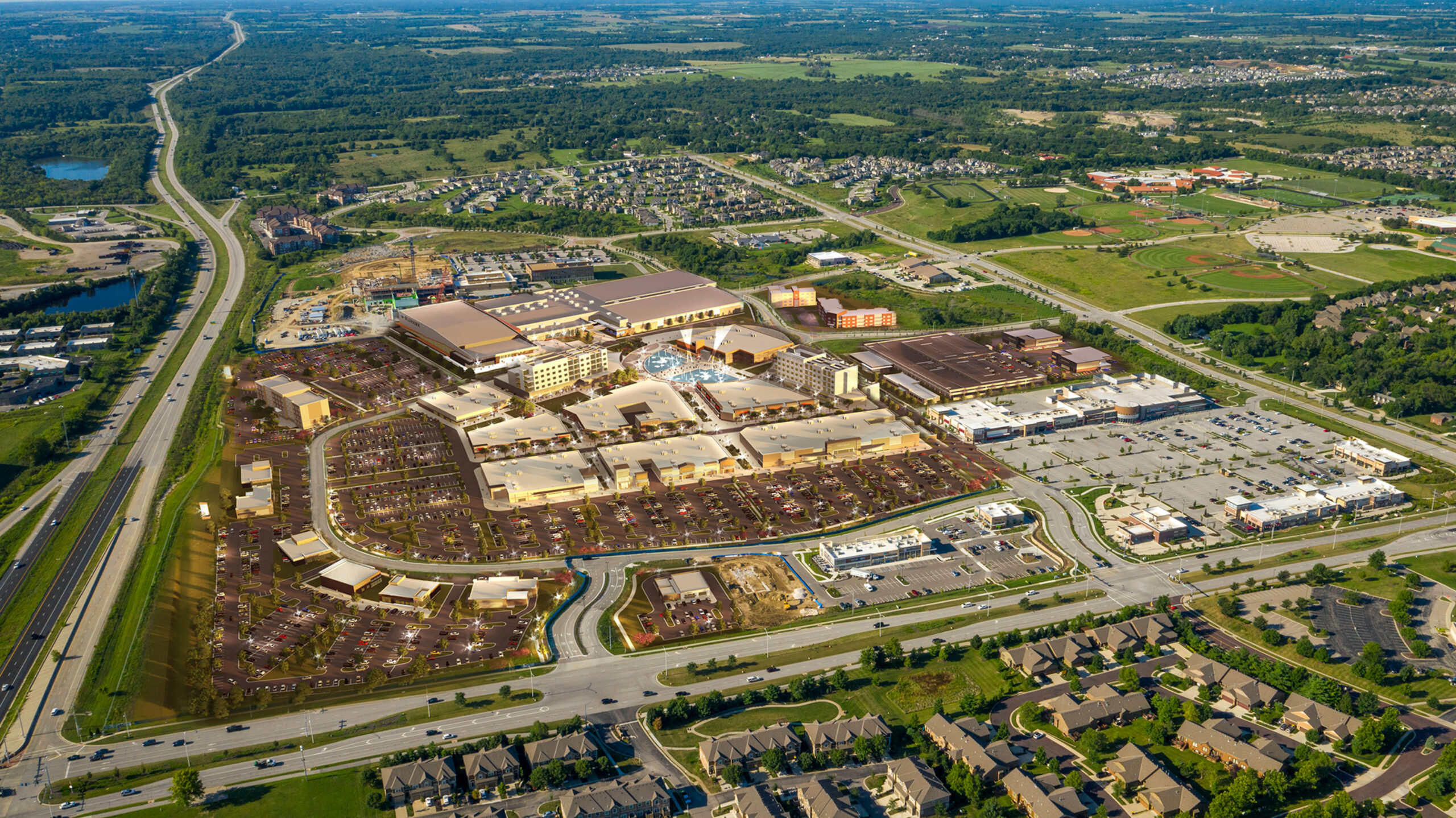
AdventHealth Sports Park at Bluhawk is a great example of a sports facility creating positive economic growth to the community it serves.
By: Ally Azzarelli
A well-designed sports facility is one of the most versatile economic tools a municipality can build. It attracts visitors, creates jobs, generates tax revenue, and gives a community a reason to invest in the surrounding area.
But a field house sitting half-empty on a Tuesday afternoon tells a different story. The difference between those two outcomes comes down to strategy, and strategy requires doing the homework before the first shovel goes in the ground.
Here’s what municipalities that get this right actually do.
Why Sports Facilities Have Become Economic Development Tools
The shift happened gradually, then all at once. Local governments realized that a sports complex was an anchor and a legitimate reason for families to drive two hours on a weekend, fill hotel rooms, shop at area retailers, and eat at local restaurants they’d never heard of before.
Travel sports now generate billions of dollars annually in the U.S. When a community hosts back-to-back tournaments over the course of a season, it creates a reliable, repeatable revenue stream that most tourism categories can’t match.
That’s why local government and economic development offices have started treating sports facilities the way they treat convention centers: as infrastructure with a return on investment.
The Role of Tourism Revenue in Making the Case for Public Investment
Hotel tax receipts, restaurant sales, and retail spending all spike when traveling teams descend on a community. That’s not anecdotal. It’s measurable, and it’s exactly the kind of data city council members and grant administrators want to see before they approve a capital outlay.
Sports tourism is one of the fastest-growing segments in the travel industry. Communities that build the right facilities in the right locations attract regional and national tournament organizers who return year after year. That repeat visitation compounds over time. A facility that hosts 40 weekends of tournament activity per year generates economic impact that looks very different from one hosting 10.
The key is to design a venue with tournament operators in mind from day one rather than retrofit after the fact.
How to Align Facility Goals With Community Economic Priorities
A sports complex in a rural county with limited hotel inventory serves a different economic function than one in a mid-sized city with a convention infrastructure already in place. Neither is wrong. But they require different designs, different programming mixes, and different success metrics.
Start with the question your community is trying to answer. Is it job creation? Neighborhood revitalization? Youth retention? Attracting relocation-ready families? Each of those goals points toward a different type of facility, a different programming model, and a different approach to measuring ROI. Communities that build without that alignment often end up with facilities that perform fine on paper but don’t move the needle on what they actually cared about.
What Data You Need Before Approaching Funders or City Council
This is where projects stall or fail. You can have the vision, the site, and the political support, and still lose the room if you walk in without the right numbers.
At minimum, you need:
- A market feasibility study that documents demand, competitive whitespace, and participation trends in your market.
- A financial feasibility study that models revenues and expenses under realistic scenarios, not just optimistic ones.
- An economic impact report that quantifies the facility’s impact on the local tax base.
Funders and elected officials have seen too many facility projects underperform their projections. They’re skeptical by default. Your data package is what converts skeptics into supporters.
SFC Helps Communities Build the Case From the Ground Up
The Sports Facilities Companies has worked with municipalities, counties, and economic development organizations across the country to take sports facility projects from concept to completion. That includes communities that were starting with nothing more than a need and a parcel of land.
From feasibility assessment to economic impact forecasting, SFC’s advisory services provide your project with the data-driven foundation it needs.
If your community is ready to explore what a sports facility could mean for your economic development goals, the conversation starts here. Call us at 727-474-3845 or fill out our contact form to connect with an advisor.
Download
Hoover Met Complex Case Study