




By: Ally Azzarelli
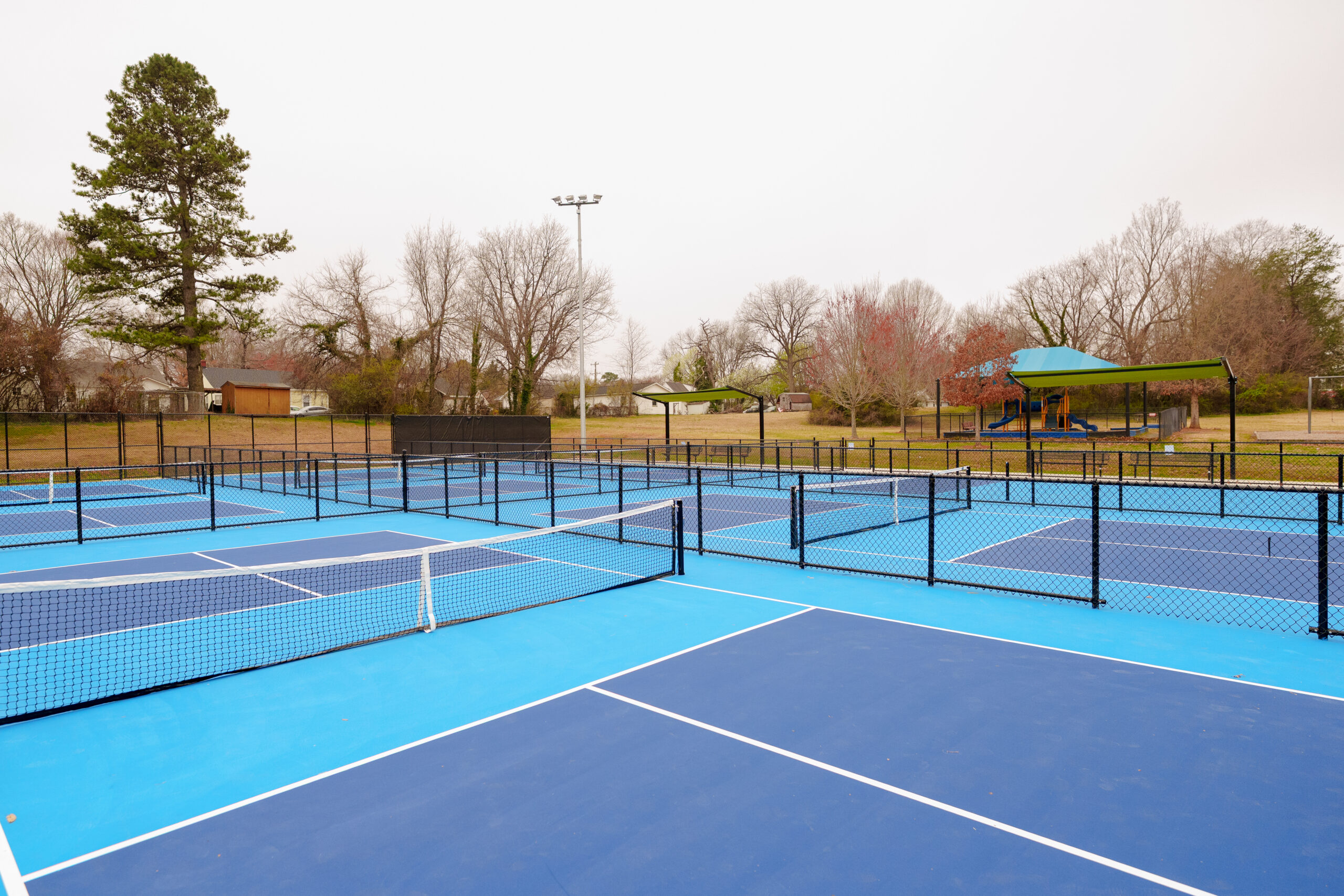
If you haven’t heard the sound of a pickleball dinking its way across a court lately, you probably haven’t been near a park, recreation center, or community facility in the past few years. Pickleball is no longer a niche pastime — it’s the fastest-growing sport in the country, and it’s reshaping how communities think about court space, programming, and public investment in recreation infrastructure. But pickleball is just the most visible part of a broader racket sports story, and smart communities are building for it all.
Fastest-Growing Court Sports
Pickleball’s growth statistics are hard to overstate. Participation has surged dramatically over the past several years, with millions of Americans now playing regularly, a number that continues to climb. The sport has attracted major investment from professional leagues, celebrities, and real estate developers, but its grassroots engine remains the same: people playing at community courts, parks, recreation centers, and converted gymnasiums.
Beyond pickleball, racket sports as a category are experiencing renewed energy. Tennis participation has grown steadily, particularly among younger demographics. Racquetball, padel, and platform tennis have dedicated and growing followings. Communities that build versatile racket court infrastructure can serve all these players, creating facilities that remain relevant and in use for decades. SFC’s guide to converting spaces into pickleball courts outlines how existing gymnasiums and tennis courts can be adapted quickly and cost-effectively.
Multi-Generational Player Appeal
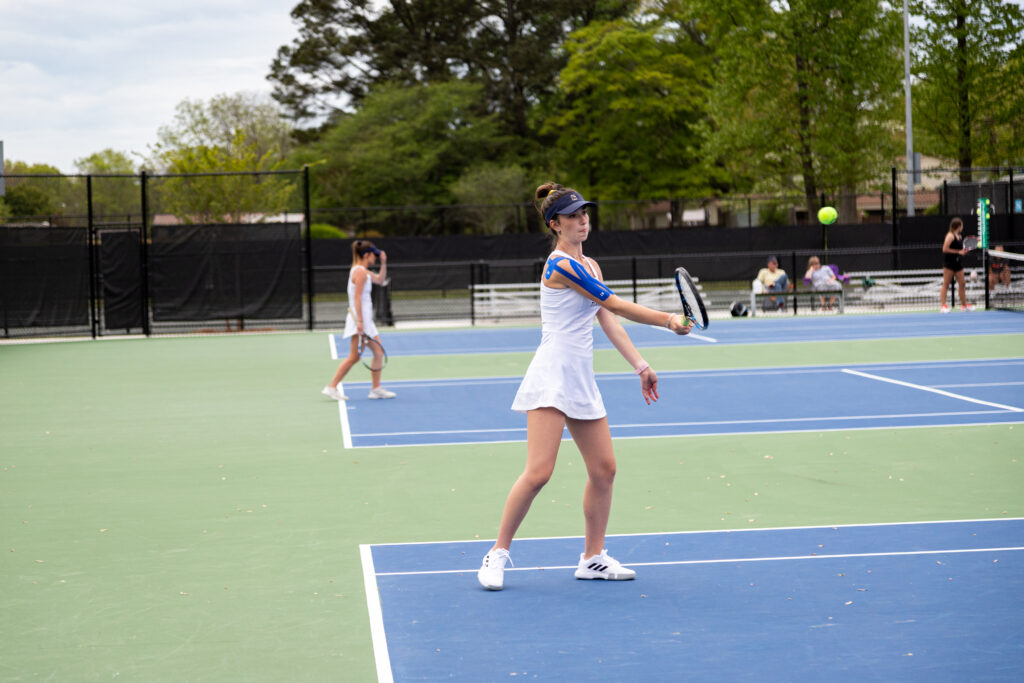
One of pickleball’s most powerful attributes as a public amenity is its accessibility across age groups. The sport’s smaller court size, underhand serve, and slower ball speed make it genuinely playable for older adults who may no longer be competitive in tennis or basketball. At the same time, its strategic depth, quick rallies, and competitive tournament circuit have made it increasingly popular among younger athletes and competitive players.
That multi-generational appeal is a facility planner’s dream. Pickleball courts serve the morning senior crowd, the after-school youth drop-in players, the adult recreational leagues in the evenings, and the competitive tournament players on weekends, all on the same infrastructure. Few amenities deliver that breadth of community utility.
Daily Community Court Use
High-quality pickleball and racket courts don’t sit idle between tournaments; they’re active every day. Open court hours give casual players access without programming overhead. Clinics and instruction sessions serve beginners and intermediate players looking to improve. Drop-in play formats build the kind of organic community that makes a facility feel alive and essential to its users. That daily activation is what justifies the investment and sustains long-term community support for the facility.
Leagues, Ladders, Tournaments
Organized programming transforms a set of courts into a genuine sports destination. Recreational leagues, competitive ladders, and sanctioned tournaments build consistent utilization, generate fee revenue, and attract players from outside the immediate community.
SFC-managed Rhythm & Rally in Macon, Georgia, the world’s largest indoor pickleball facility, with 32 climate-controlled courts, generated $3 million in economic impact in its first year of operation and is on pace to surpass that in year two. It’s a real-world example of what intentional programming, quality infrastructure, and professional operations can produce at the community level.
The communities winning in this space are those that combine smart infrastructure decisions, court quantity, surface quality, lighting, sound management, with programming strategies that serve both recreational and competitive players. Getting that combination right requires experience, and it’s exactly what SFC brings to every project.
Whether you’re adding dedicated pickleball courts to an existing facility or planning a full racket sports complex, explore SFC’s pickleball and racket facility services. Call us at 727-474-3845 or fill out our contact form, and let’s build something your community will use every day.
Download
Hoover Met Complex Case Study