




By: Ally Azzarelli
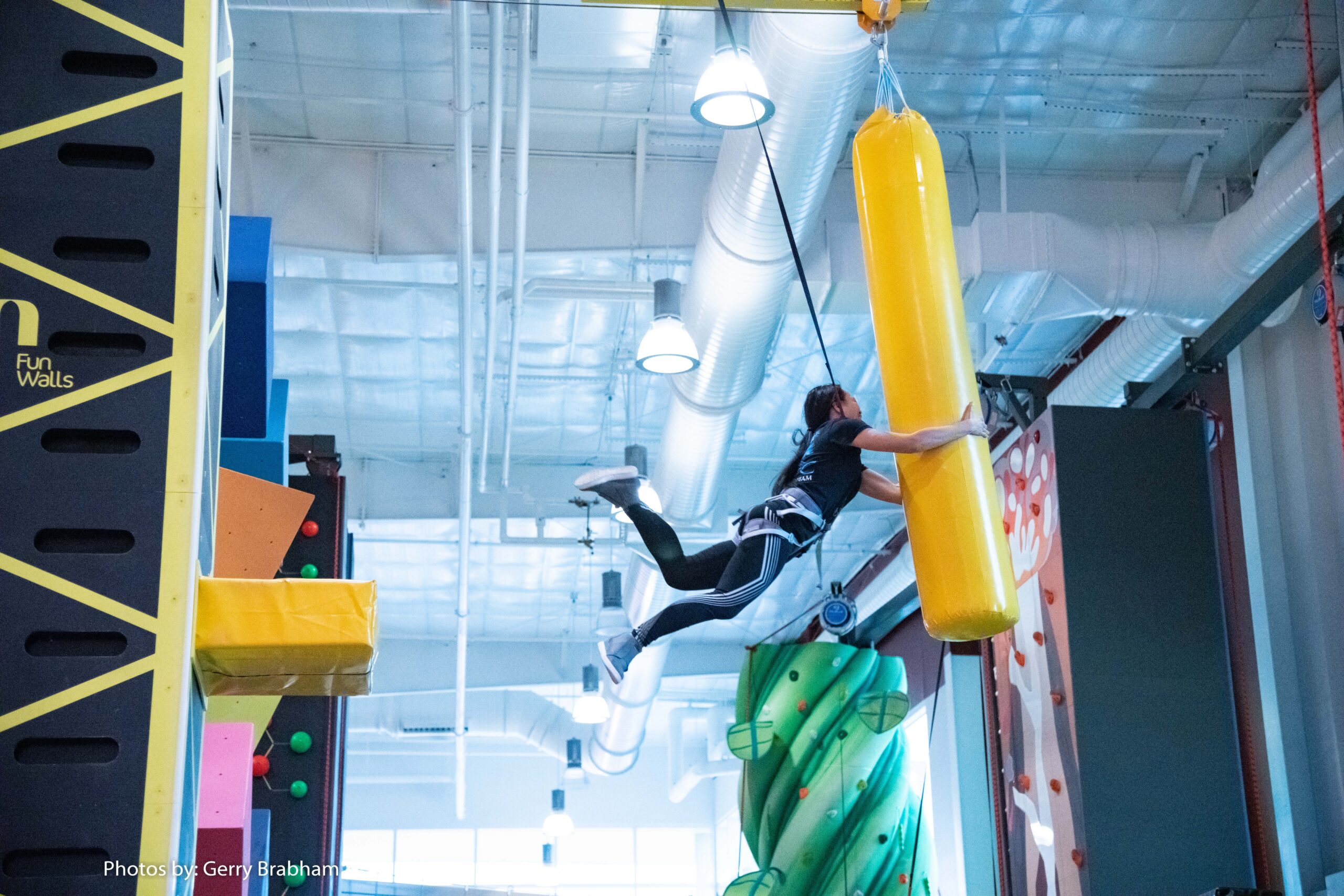
Traditional sports facilities serve a critical role in any community. But more municipalities are discovering that something else is drawing residents in and keeping them coming back: adventure. Rock climbing walls, zip lines, obstacle courses, mountain bike trails, and ropes courses aren’t just thrill-seeking sideshows. When planned and managed well, they’re high-engagement, high-retention amenities that expand a community’s recreational reach in ways conventional courts and fields simply can’t match.
About Adventure and Specialty Sports
Adventure sports encompass the non-traditional, physically engaging activities that challenge participants in new ways. As SFC has outlined, these include mountain biking, rock climbing, kayaking, zip lining, obstacle courses, and more, activities defined less by rules and rosters and more by personal challenge, adrenaline, and real-world skill-building.
That distinction matters for facility planners, because it shapes the programming model, the audience, and the design requirements in ways that differ from traditional field-and-court thinking.
Specialty sports facilities may also include surf parks, disc golf courses, parkour parks, aerial adventure parks, and climbing gyms. The common thread: they attract participants who may never sign up for a league but will show up, pay, and return because the experience itself is the draw.
Who Uses Adventure Facilities
The audience for adventure and specialty sports is genuinely broad.
- Children are attracted to the physical challenge and novelty.
- Teens find in them an outlet for energy and identity that traditional rec sports don’t always provide.
- Adults, including those who’ve aged out of competitive sports, engage because the activities are accessible at their own pace and difficulty level.
- Corporate and school groups book team-building sessions.
- Families come for shared experiences rather than spectator events.
That multi-demographic pull is what makes adventure facilities such compelling additions to community recreation portfolios. They fill programming gaps left by gyms and fields, and they attract participants who might not otherwise set foot in a traditional sports facility.
Host Cities Are Bracing for Impact
From an operational standpoint, adventure and specialty facilities are strong revenue performers. Attractions like climbing walls, aerial courses, and zip lines lend themselves naturally to admission-based pricing, group reservations, birthday parties, corporate events, and season passes, revenue streams that don’t require a tournament schedule or a league roster to activate.
SFC’s work on facility revenue optimization consistently highlights the value of programming that drives per-square-foot revenue, and adventure amenities rank among the highest performers in that category.
When integrated into a larger multi-sport complex or recreation campus, adventure elements also serve as powerful retention tools, giving athletes who’ve finished their tournament day (and their families) a reason to stay longer, spend more, and remember the experience positively.
Planning for Adventure: What to Get Right
Not every adventure concept fits every market. Site requirements, maintenance complexity, safety certification standards, and local demand all vary significantly by activity type. A feasibility study that honestly examines your community’s demographics, competing offerings, and available land is the essential first step — before a concept becomes a construction plan.
Operational expertise matters enormously here, too. Adventure facilities require staff trained in safety protocols, equipment maintenance, and participant management in ways that differ from traditional sports venue operations. Communities that partner with experienced operators from day one are far better positioned to deliver a high-quality, safe, and sustainable experience.
If your community is curious about what an adventure or specialty sports facility could look like and deliver, explore SFC’s adventure and specialty sports services. Call us at 727-474-3845 or fill out our contact form to start the conversation.
Download
Hoover Met Complex Case Study