




By: Ally Azzarelli
The numbers are in, and if you’re in the business of building, managing, or developing sports and recreation facilities, they’re worth paying close attention to.
According to the Sports & Fitness Industry Association’s (SFIA) 2026 Topline Participation Report, 250 million Americans participated in at least one sport, fitness, or leisure activity in 2025. That’s a historic first for the industry, and it signals something important: demand for high-quality sports infrastructure is accelerating.
Here’s what the data is saying and how smart facility leaders are already positioning themselves to meet it.
Team Sports Break Through the 90-Million Barrier
For the first time in SFIA tracking history, participation in team sports surpassed 90 million Americans, a structural shift in how communities engage with organized play.
Basketball, baseball, and outdoor soccer lead the pack across youth age groups. Flag football, rapidly gaining traction across both male and female participants, continues its climb. And with the FIFA Men’s World Cup coming to the U.S. in 2026 and the LA Summer Olympics in 2028, soccer participation is poised to surge even further.
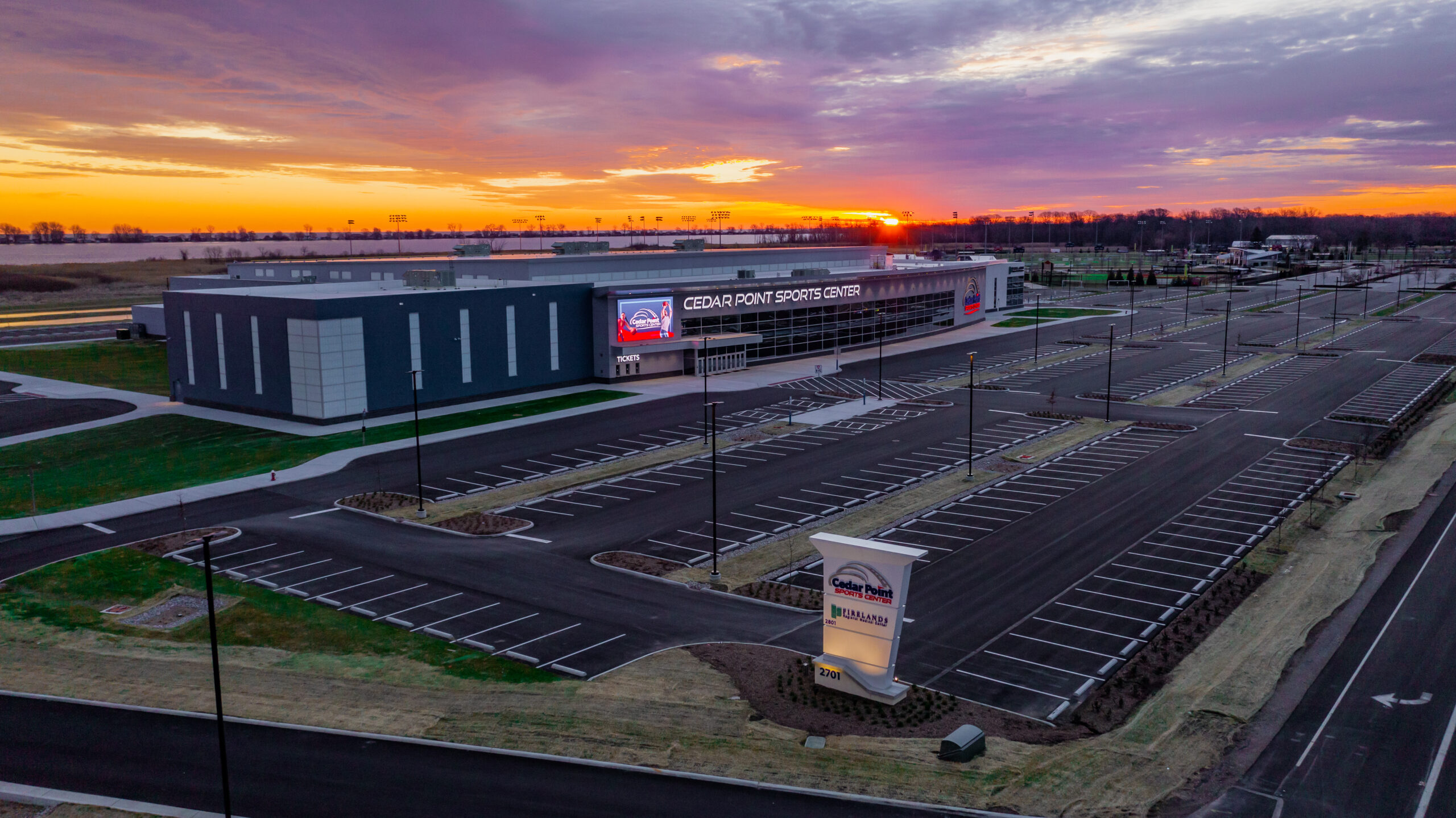
The implication for facility operators and municipalities? If your complex isn’t tournament-ready for multiple team sports under one roof, you’re leaving economic development on the table. Facilities like SportsOhio in Dublin, OH, The Ridge Athletic Center in Jonesboro, AR, and Wiregrass Ranch Sports Campus in Wesley Chapel, FL are exactly the kind of multi-sport destinations communities need to build.
Pickleball: Five Years, No Signs of Slowing Down
If you’ve been waiting for pickleball to peak, the SFIA report says: keep waiting.
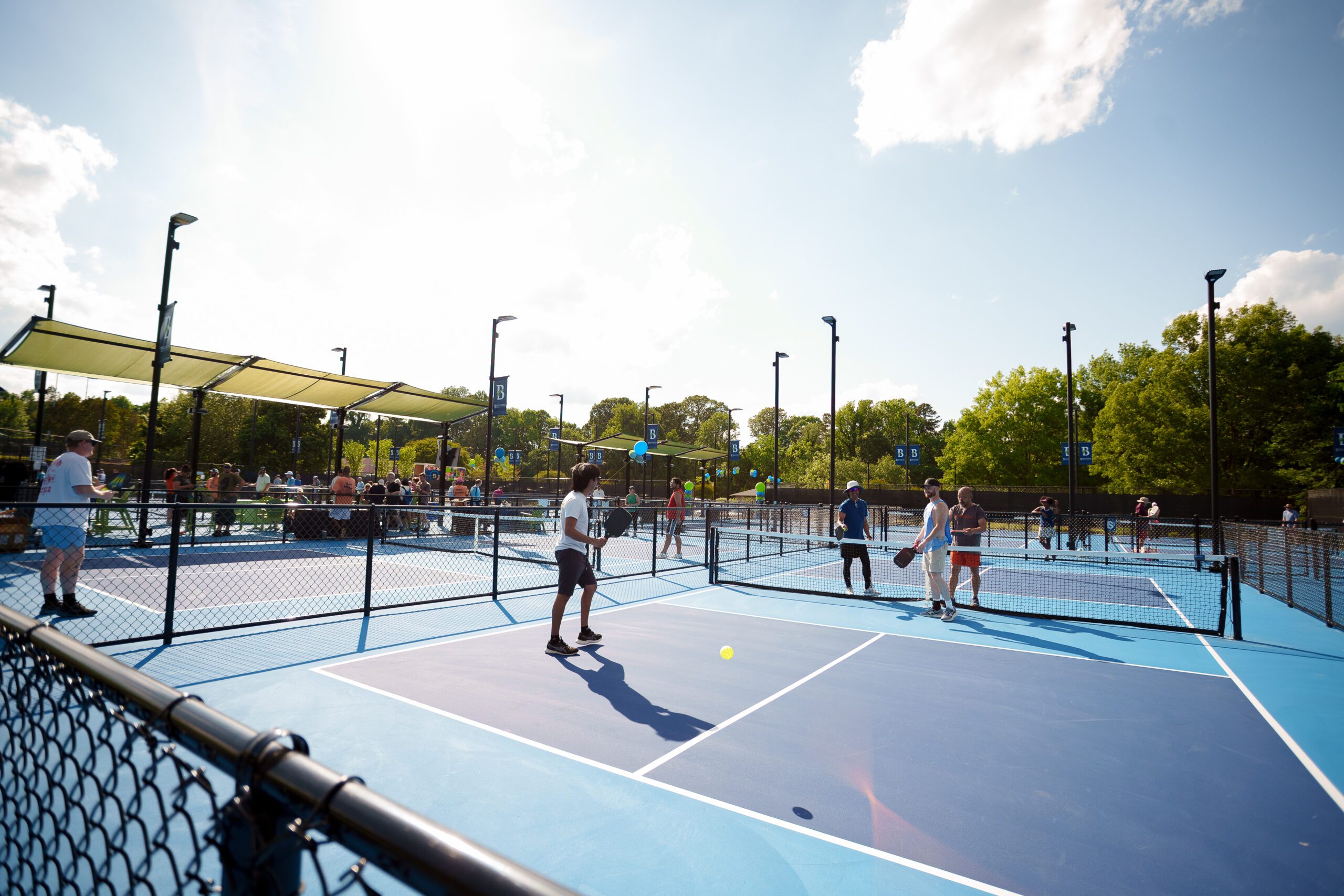
Pickleball claimed the title of fastest-growing sport in America for the fifth consecutive year, with an estimated 24.3 million Americans playing in 2025, a 22.8% increase over 2024. That kind of sustained, compounding growth is nearly unheard of in sports participation data.
This is a mass-market phenomenon spanning age groups, income levels, and geographies. Communities that invest in dedicated pickleball infrastructure now are building assets that will drive traffic, memberships, and tournaments for the next decade.
Examples of ideal pickleball facilities include:
- Burlington Pickleball in Burlington, NC — purpose-built to serve this demand
- Rhythm & Rally in Macon, GA — the world’s largest indoor pickleball facility, setting the standard for what a destination-class racquet complex can look like
- The Courts in Cape Coral, FL — blueprint for how to build for racquet sports at scale
Looking to plan your own facility? Explore Sports Facilities Company’s (SFC) Pickleball & Racket Facilities expertise or browse the full portfolio to see what’s possible.
Racquet Sports Are Surging Broadly
Pickleball isn’t the only racquet sport on the rise. SFIA data show that the 10-year participation trend for racquet sports, as a category, rose from 19.7% in 2024 to 20.5% in 2025. Padel, newly added to SFIA’s tracking list this year, is the sport to watch, with explosive growth in markets across Europe already foreshadowing what’s coming stateside.
For facility developers and municipal planners, this is a clear signal: indoor courts infrastructure is infrastructure, not amenity.
Outdoor, Fitness, and Winter Sports: All Moving Up
The 2026 report shows broad-based gains across categories. Outdoor sports, fitness activities, and winter sports all recorded positive participation trends. Disc golf entered SFIA’s tracked list for the first time, a nod to the outdoor activity’s mainstream arrival and its potential as a low-barrier draw for parks and recreation departments.
This breadth matters. The most successful facilities don’t bet on a single sport. They build ecosystems, multi-use destinations where a family can show up for one activity and stay for three more.
The Concern You Shouldn't Ignore: Teen Inactivity
Not everything in the 2026 report is cause for celebration. Teen inactivity (ages 13–17) increased 4.4% year over year, the only age group to move in the wrong direction. Cost was cited as a top barrier to participation.
That’s a direct challenge to facility planners and municipal leaders: the next generation of players is at risk of checking out before they ever get started. It’s a reason the community rec center model still matters. It’s a reason programming accessibility and pricing strategy belong in your facility’s business plan from day one.
SFC’s advisory and management services are built around exactly this kind of community-centered thinking. Explore our Recreation & Community Centers work to see how we approach it.
What the Data Demands
The 2026 SFIA report is truly a market roadmap, indicating where Americans are showing up, where demand is outpacing infrastructure, and where the next generation of players needs investment to stay in the game.
The Sports Facilities Companies has spent decades turning that kind of data into real facilities, planned, developed, and managed to perform. Whether you’re a municipality, a developer, a CVB, or a university, the opportunity in front of you is real.
Ready to build something that meets this moment? Explore SFC’s full portfolio or contact our team to start the conversation.
Download
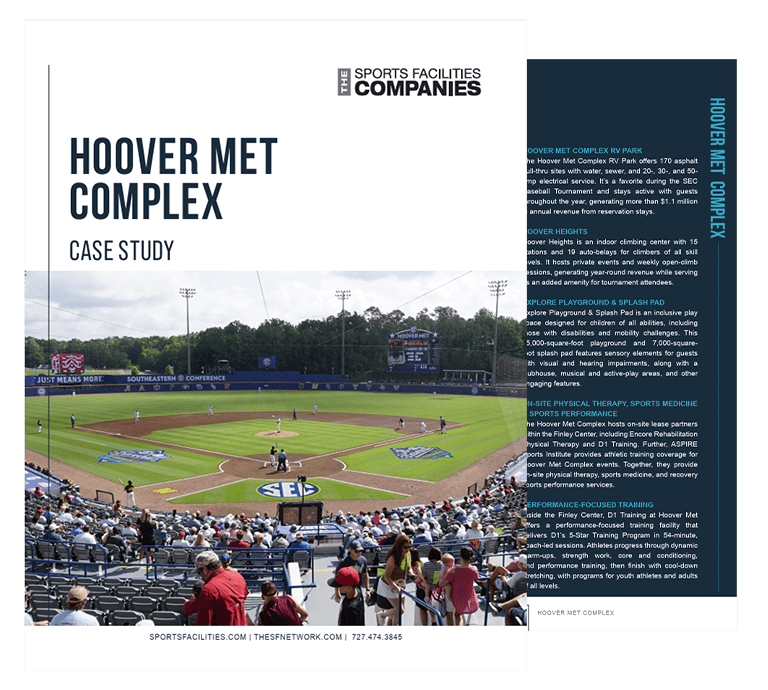
Hoover Met Complex Case Study