




By Ali Yenchick
From a 1928 Abe Dombach design in Lancaster County to Bethpage Black’s 2025 Ryder Cup stage, Northeast public golf carries both history and momentum. These nine courses span nearly a century of golf culture and design—Donald Ross in Boston, Pete Dye in Bloomfield, Robert Trent Jones Sr. in Montauk, and a 9-hole quick-play layout in Bucks County. They range from Oxford Valley’s 2,025-yard community course to Bethpage Black’s 7,465-yard championship test.
For municipalities, that range shows how public golf can preserve historic landscapes, welcome everyday players, attract major events, and strengthen local identity and tourism. It also shows why the right operating partner matters—from course conditioning and golfer experience to programming, events, and long-term performance.
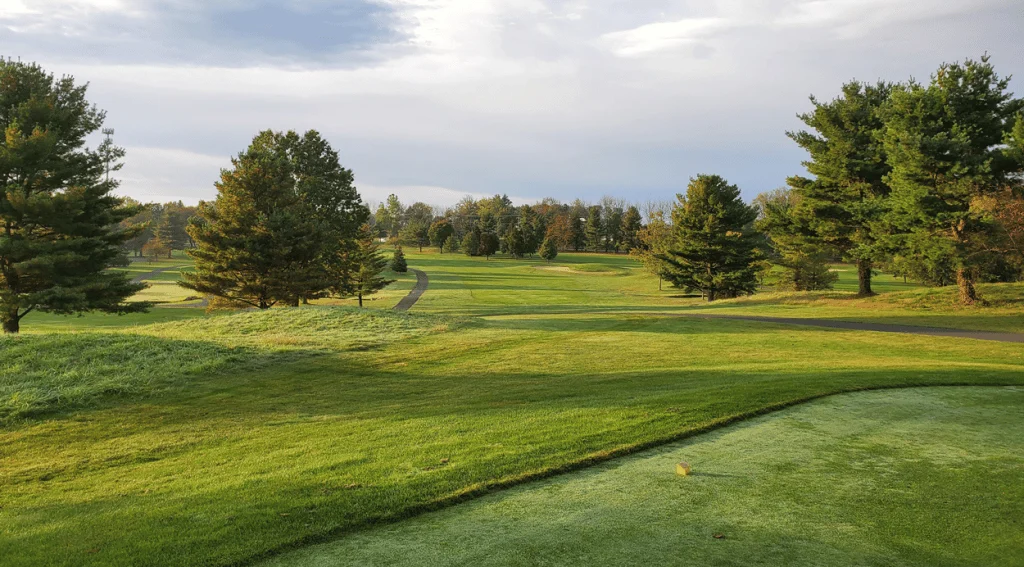
1. Five Ponds Golf Club – Warminster, Pennsylvania
Five Ponds Golf Club shows how a municipal course can pair community access with a polished, destination-ready experience. Owned by Warminster Township and managed by SFC Golf, powered by Spirit Golf, the course was recognized as the 2025 NGCOA East Region Course of the Year.
Facility Stats & Key Features
- 18-hole, par-71 public course
- Approximately 6,700 yards from the back tees
- Designed by Xenophon Hassenplug with five ponds, rolling terrain, elevated tees, and bentgrass greens
- Recognized in the region for some of the area’s best-conditioned greens
- All-grass driving range, putting green, and short-game practice area
Why It Stands Out
Five Ponds is a strong example of the value professional management can bring to a public asset. Its conditioning, including consistently high-quality greens, reinforces the course’s polished player experience, while its community-golf mission, amenities, and player-development facilities create lasting local value. Through SFC Golf Team, the course reflects how thoughtful operations can strengthen a municipal facility without losing its community focus.
2. Bethpage Black Course – Farmingdale, New York
Bethpage Black is a great example of a public golf course operating at championship scale. Located within Bethpage State Park and operated by New York State Parks, the course has hosted two U.S. Opens, the 2019 PGA Championship, and the 2025 Ryder Cup.
Facility Stats & Key Features
- 18-hole, par-71 championship course
- 7,465 yards from the championship tees
- Associated with renowned golf architect A.W. Tillinghast
- Walking-only layout recommended for highly skilled golfers
- Part of a five-course state park complex with a driving range, restaurant, pro shop, and event facilities
Why It Stands Out
Bethpage Black proves that public ownership and elite event hosting can coexist. Its championship identity creates destination appeal, while the broader state-park setting gives the facility a larger recreational and economic development role.
3. Overlook Golf Course – Manheim Township, Pennsylvania
Overlook Golf Course brings nearly a century of public golf history to the Lancaster area. Built by Abe Dombach in 1928 and owned by Manheim Township, the course continues to serve residents, visitors, leagues, outings, and players looking for a traditional public-golf experience.
Facility Stats & Key Features
- 18-hole, par-70 public course
- Built in 1928
- Driving range facility for practice and instruction
- Resident and nonresident rates through Manheim Township
Why It Stands Out
Overlook illustrates how municipalities can preserve a legacy course while keeping it useful for modern community needs. Affordable access, practice amenities, league play, and event programming help an older course remain relevant without losing its sense of place.
4. George Wright Golf Course – Boston, Massachusetts
George Wright Golf Course combines historic design, municipal operation, and neighborhood access in Boston’s Hyde Park community. Designed by Donald Ross and opened in 1938 with Works Progress Administration funding, the course remains one of the city’s signature public golf facilities.
Facility Stats & Key Features
- 18-hole, par-70 course
- Designed by Donald Ross
- Opened in 1938
- Clubhouse supports Boston Parks and Recreation community programming
Why It Stands Out
George Wright is a public-realm asset with cultural, recreational, and community value. Its historic character gives the city a distinctive experience, while municipal operations help connect golf with broader parks and recreation programming.
5. Keney Park Golf Course – Hartford, Connecticut
Keney Park Golf Course is a municipal restoration success story. The City of Hartford invested nearly $6 million to restore the historic course, which reopened in 2016 with updated infrastructure, expanded practice amenities, and a renewed role in the community.
Facility Stats & Key Features
- 18-hole public course
- First nine designed by Devereux Emmet and built in 1927
- Second nine added in 1931 by Hartford city engineer Robert “Jack” Ross
- Grass-tee driving range, bunkered short-game area, and putting green
- Host site for the Connecticut PGA Championship, Hartford Women’s Open, and National Junior PGA Championships
Why It Stands Out
Keney Park shows what strategic reinvestment can do for a public golf asset. Hartford preserved the course’s historic identity while improving its ability to serve everyday golfers, develop players, and host competitive events.
6. Makefield Highlands Golf Club – Yardley, Pennsylvania
Makefield Highlands Golf Club gives Lower Makefield Township a public course with championship character and broad everyday appeal. Designed by Rick Jacobson on 168 acres of the historic Pleasant Valley Estate Farm, the course combines a links-style layout with a full-service clubhouse and practice facilities.
Facility Stats & Key Features
- 18-hole, par-72 public championship course
- Plays up to approximately 7,058 yards
- Designed by Rick Jacobson with five sets of tees
- Host site for regional events, including a Golf Association of Philadelphia U.S. Open Qualifier
Why It Stands Out
Makefield Highlands demonstrates how a municipal course can become a complete community and destination asset. High-quality golf, dining, events, instruction, and non-golf gatherings create multiple reasons for residents and visitors to return.
7. Wintonbury Hills Golf Course – Bloomfield, Connecticut
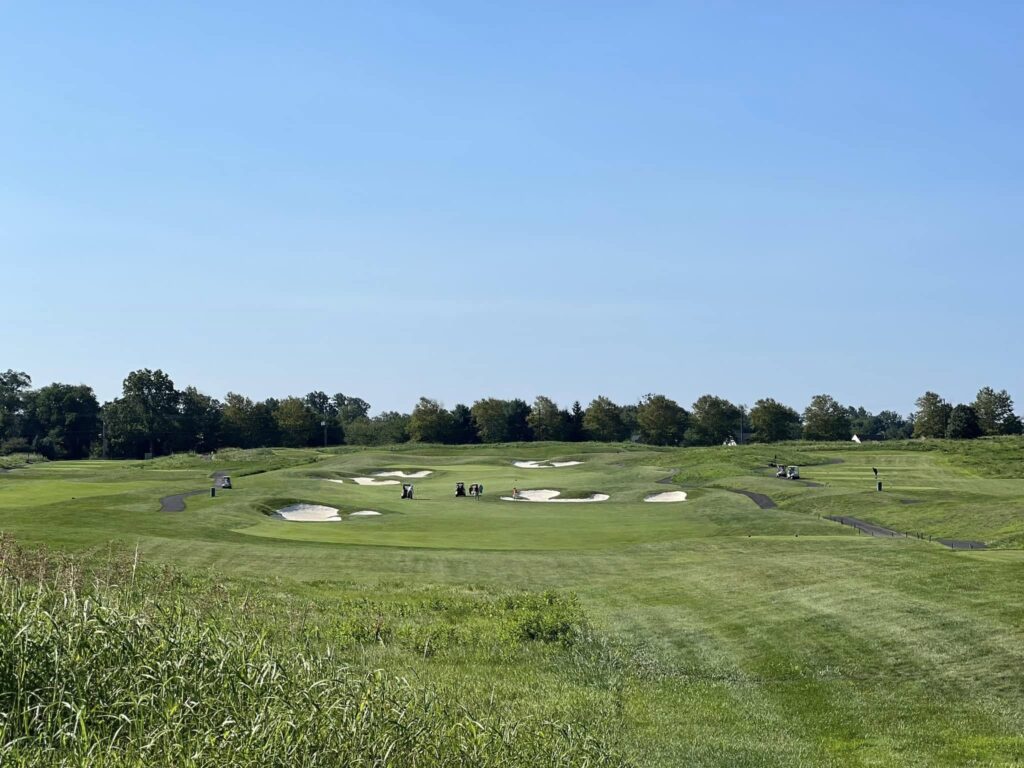
Wintonbury Hills brings a destination-level design to a public municipal setting. The Bloomfield-based course was designed by Pete Dye with Tim Liddy and moves through a landscape shaped by wetlands, forest, and Bloomfield Reservoir.
Facility Stats & Key Features
- 18-hole, par-70 course
- Approximately 6,711 yards from the back tees
- Mix of links-style holes and tree-lined corridors
- Environmentally sensitive setting near water, wetlands, and wooded areas
Why It Stands Out
Wintonbury Hills shows how municipalities can use distinctive design and thoughtful site planning to create a memorable public course. Its environmental setting becomes part of the experience, adding identity without sacrificing accessibility.
8. Oxford Valley Golf Course – Fairless Hills, Pennsylvania
Oxford Valley Golf Course proves that a public golf facility does not need 18 holes to deliver meaningful community value. Owned by Bucks County and professionally managed through SFC Golf, powered by Spirit Golf, the walking-only course is designed for accessible, quick-play golf.
Facility Stats & Key Features
- 9-hole, par-31 public course
- Approximately 2,025 yards
- Walking-only layout with pull carts and power caddies available
- County-owned public facility
- Supports instruction, leagues, and community programming
Why It Stands Out
Oxford Valley offers a practical model for municipalities and counties working with limited land, time, or capital. A focused nine-hole course can lower barriers to participation, support repeat local use, and create a welcoming entry point for newer golfers.
9. Montauk Downs State Park Golf Course – Montauk, New York
Montauk Downs State Park Golf Course pairs a Robert Trent Jones Sr. design with the natural drama of Long Island’s East End. Operated within the New York State Parks system, the course is part of a broader recreational destination that includes tennis, swimming, dining, and other park amenities.
Facility Stats & Key Features
- 18-hole, par-72 course
- Approximately 6,988 yards from the longest tees
- Redesigned in 1968 by Robert Trent Jones Sr. with assistance from Rees Jones
- Driving range, clubhouse, grill room, swimming pools, and tennis courts
- Coastal winds from the ocean and bay are a defining part of the experience
Why It Stands Out
Montauk Downs shows how public golf can support both resident recreation and destination tourism. The combination of championship-quality design, coastal setting, and complementary park amenities gives the facility value well beyond the scorecard.
Build a Stronger Municipal Golf Asset
The best municipal golf course is one that reflects its market, serves its community, and operates with a clear plan for long-term performance.
If your community is planning a new golf facility, reinvesting in an existing course, or exploring professional management, The Sports Facilities Companies (SFC) can help. We provide feasibility, planning, operations, and optimization support for public golf facilities designed to create lasting community value. Our integrated approach connects golf expertise with the broader resources of SFC, helping communities move from strategy to a stronger guest experience and long-term performance.
Contact The Sports Facilities Companies to discuss your municipal golf course needs and learn how SFC Golf Team can help.
Download
The Rise of Next-Generation Mixed-Use Developments