


Photo credits: The Sports Facilities Companies
By Ali Yenchick
The Opportunity
Community recreation facilities often serve a wide range of needs, but not every opportunity starts with a large enrollment projection or a fully built program. Sometimes, it begins with a small group of families, an available time block, and a question worth testing.
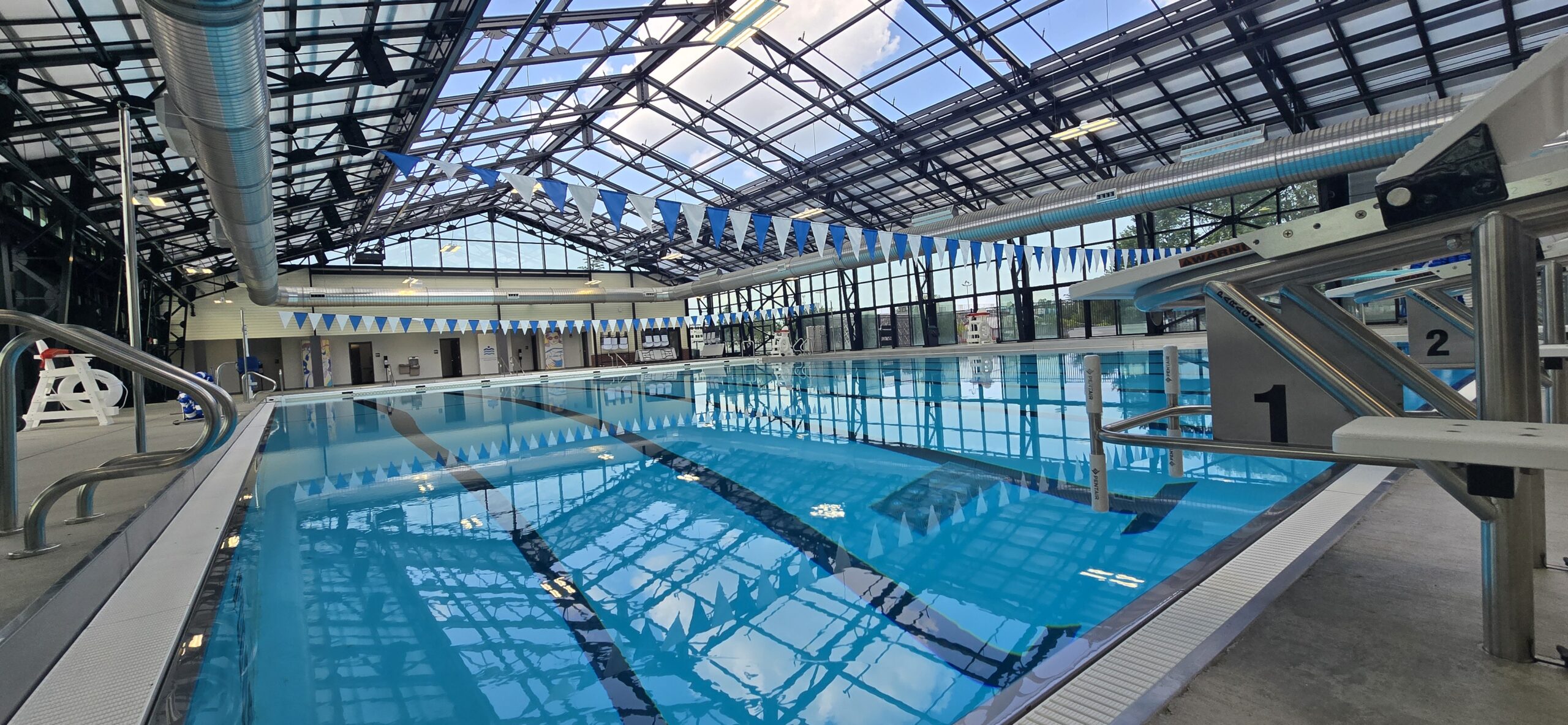
That’s the approach behind a new homeschool swim and physical education pilot at the Lima Community Aquatic Park in Lima, Ohio. The program is beginning with four homeschooled students and is designed to help the facility determine whether local families want structured physical education that includes swimming and water safety.
The initial program is intentionally small, giving the aquatic center a practical way to listen, learn, and determine what a larger program could responsibly look like.
A Pilot Built Around the Whole Student
The program brings together several areas that naturally complement one another:
- Swimming instruction and skill development
- Water safety education
- Fitness and physical activity
- Physical education for homeschooled students
The first session is scheduled for Friday at 2 p.m. From there, the instructor will use the participating family’s existing curriculum as a starting point for developing a program that reflects the students’ current educational experience while incorporating swimming and aquatic instruction.
Ohio education standards will also inform the curriculum as development continues. Because that alignment is still in progress, the program is being approached carefully, with clear attention to what the facility can deliver now and what may require additional development, documentation, or review before expansion.
Building With the Homeschool Community
One of the pilot’s most important elements is its collaborative starting point. Rather than introducing a finished program without community input, the instructor learns from the family’s current curriculum and uses that information to shape the next version of the experience.
That approach can help reveal practical details that are difficult to identify from inside a facility. Families may have specific needs related to scheduling, learning goals, communication, transportation, or documentation. Their feedback can help determine the right program length, class structure, pace, and outcomes.
Community input doesn’t replace the aquatic center’s professional responsibility. The facility must still establish appropriate staffing, supervision, emergency procedures, instructor qualifications, and capacity limits. It does, however, help ensure that the program is designed around the people it’s intended to serve.
Testing the Idea Before Scaling It
A small pilot creates room for honest evaluation. As the program develops, the aquatic center can look at several indicators:
- Initial and repeat participation
- Interest from additional homeschool families
- Progress toward swimming and water safety goals
- Participant and parent feedback
- Staffing, space, and scheduling requirements
- The operational effort needed to deliver each session
These measures can answer different questions. Initial enrollment may show awareness and curiosity, while repeat participation may indicate that families see lasting value. A program may also be worth continuing because it meets a meaningful community need, even if it remains intentionally small.
The goal is not to force the pilot into a predetermined success story. The goal is to gather enough information to decide whether to adjust, repeat, expand, or keep the program as a limited offering.
Creating a Pathway to Recurring Programming
Once SportsKey—the aquatic center’s management software that centralizes scheduling, online booking, invoicing, payments, memberships, camps and classes, point of sale, and reporting in one platform—is operational, the aquatic center plans to create a recurring event or registration option so families can express interest and enroll through a consistent process. That step will make it easier to evaluate demand beyond the initial group and determine whether the program can become a dependable part of the facility’s schedule.
A repeatable registration process may also help the team communicate more clearly with families about program expectations, availability, curriculum goals, and participation requirements. Those details become increasingly important if interest grows.
What Other Aquatic Facilities Can Learn
The Lima pilot offers a practical example of how facilities can explore new programming without overcommitting resources at the outset.
The process is straightforward:
- Identify a potential community need or underused time block.
- Speak with families or local partners before finalizing the format.
- Begin with a cohort that staff can supervise and evaluate well.
- Define the intended outcomes before the first session.
- Establish clear boundaries around safety, staffing, communication, and capacity.
- Use feedback and participation data to guide the next decision.
This approach creates a disciplined way to test an idea, learn from the community, and build only when the need and operating model are clear.
Looking Ahead
A four-student pilot cannot establish universal demand, and shouldn’t be presented as a guaranteed revenue opportunity. It can, however, help an aquatic center ask better questions about the community it serves and the role it can play beyond traditional swim lessons.
For local homeschool families, the program may become a way to combine physical education, fitness, swimming, and water safety instruction in one setting. For the aquatic center, it’s an opportunity to learn whether a focused, community-informed program can fill a genuine need and grow at a responsible pace.
The next step is simple: listen to families, deliver the first version well, measure what happens, and let the community help shape what comes next.

Download
Cedar Point Sports Center Case Study