




By: Ally Azzarelli
The campus recreation center is a strategic asset that influences whether a prospective student chooses your institution, whether an enrolled student stays, and whether your campus is the kind of place people want to be every day. For university administrators and facilities leaders who have been thinking of campus rec as a line item, it’s time to think about it differently.
From Underused Space to a True Hub for Student Life
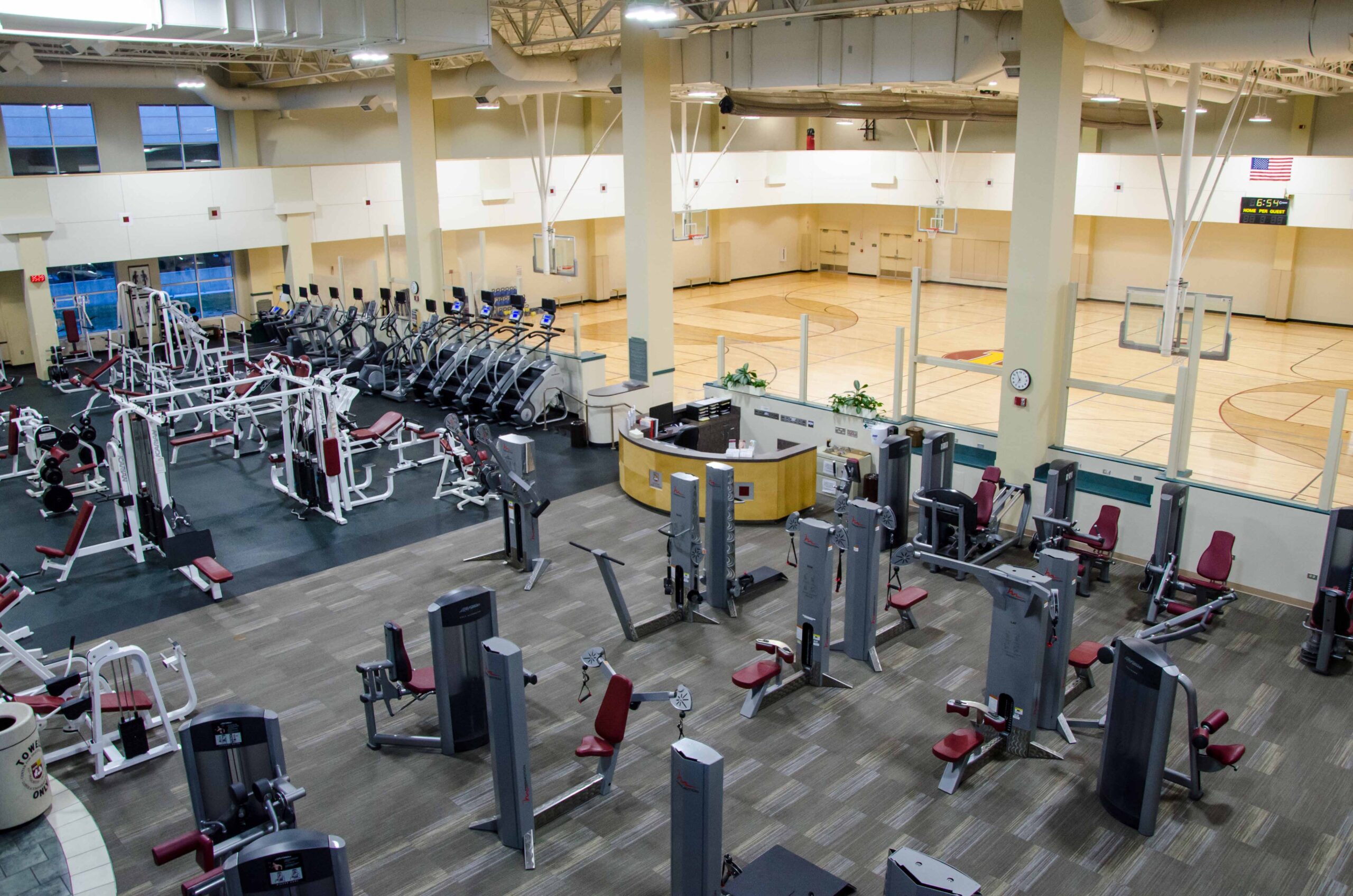
Many campus recreation facilities were built decades ago for a student population and a set of wellness expectations that no longer reflect today’s reality. Outdated equipment, underutilized courts, and facilities that feel disconnected from the rest of campus life are common.
A modernized campus recreation center, thoughtfully programmed and professionally managed, becomes the physical and social center of student life between classes, after practice, and on weekends.
That repositioning requires honest assessment of what the space currently does versus what it could do. Sports Facilities Companies’ (SFC) feasibility and master planning work with universities focuses exactly on this gap, evaluating existing assets against student demand, peer institution benchmarks, and long-term operational sustainability to build a case for investment that’s grounded in data, not aspiration.
Designing Recreation Facilities Around Health and Belonging
Student mental health is one of the most pressing challenges on college campuses today. Physical activity is one of the most evidence-backed interventions available. A well-designed campus recreation facility, with spaces for group fitness, open gym use, aquatic programming, and wellness education, doesn’t just support student health. It creates the conditions for belonging: the sense that campus is a place where you are seen, welcomed, and connected to others.
Design matters enormously here. Facilities that feel welcoming to students across fitness levels and backgrounds generate broader participation and deeper community impact. That means accessible entry points, programming designed for beginners as well as competitive athletes, and spaces that invite social interaction alongside physical activity. The goal is a facility that serves the full student body, not just the most active 20 percent.
Programming Mix: Intramurals, Clubs, Fitness, and Esports
The modern campus recreation portfolio has expanded well beyond intramural sports and weight rooms. Today’s high-performing campus recreation centers layer competitive programming, intramurals, club sports, fitness challenges, with wellness offerings like group exercise, yoga, and mental health-adjacent programming, and emerging categories like esports that attract students who wouldn’t otherwise engage with traditional recreation.
Esports represent a significant opportunity for institutions that have been slow to acknowledge how students spend their time. Dedicated esports facilities and programming don’t just serve a large and underserved student population, they generate competitive team identity, community, and campus pride in ways that mirror traditional athletics. The institutions treating esports as a legitimate campus recreation category are capturing student engagement that their competitors are leaving on the table.
Measuring Impact on Recruitment, Retention, and Engagement
Campus recreation’s return on investment is increasingly measurable. Prospective student surveys consistently rank recreation facilities among the top factors in campus visit decisions. Retention data at institutions with robust recreation programs shows meaningful differences in persistence rates between students who engage with campus recreation and those who don’t. Alumni engagement and giving correlate with positive campus experience, and campus recreation is a core driver of that experience.
For university leaders building the case for investment in campus recreation, these metrics are the language of institutional stakeholders: enrollment officers, retention specialists, development teams, and trustees. A modernized, well-programmed recreation facility is an enrollment and retention strategy with a facility attached.
Whether your institution is evaluating a new campus recreation center, reimagining an existing one, or simply trying to understand what the opportunity looks like, SFC’s college and university expertise is designed to help. Call us at 727-474-3845 or contact us online to start the conversation.
Download
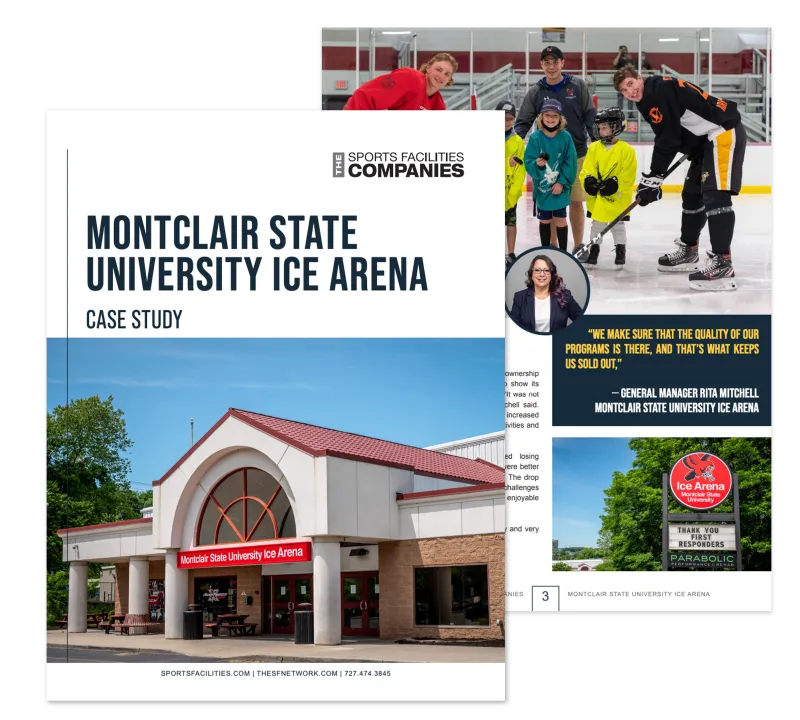
Montclair State University Ice Arena Case Study