




By: Ally Azzarelli
Water is different. No other recreational amenity has the same universal appeal across ages, fitness levels, backgrounds, and abilities as a well-run aquatic center. From the youngest learners taking their first strokes to older adults finding their most sustainable form of fitness, the pool meets people where they are. Aquatic centers and community pools don’t just provide recreation; they enhance the quality of life in a community.
More Than Summer Fun
The image of a community pool as a summer-only amenity misrepresents modern aquatic centers. Indoor and year-round aquatic facilities host competitive swim team practices and dual meets, water polo leagues, synchronized swimming programs, adaptive aquatics for residents with physical limitations, senior fitness classes, and early morning lap swimming for adults. Programming that runs from January through December isn’t just possible, it’s the standard at well-operated facilities.
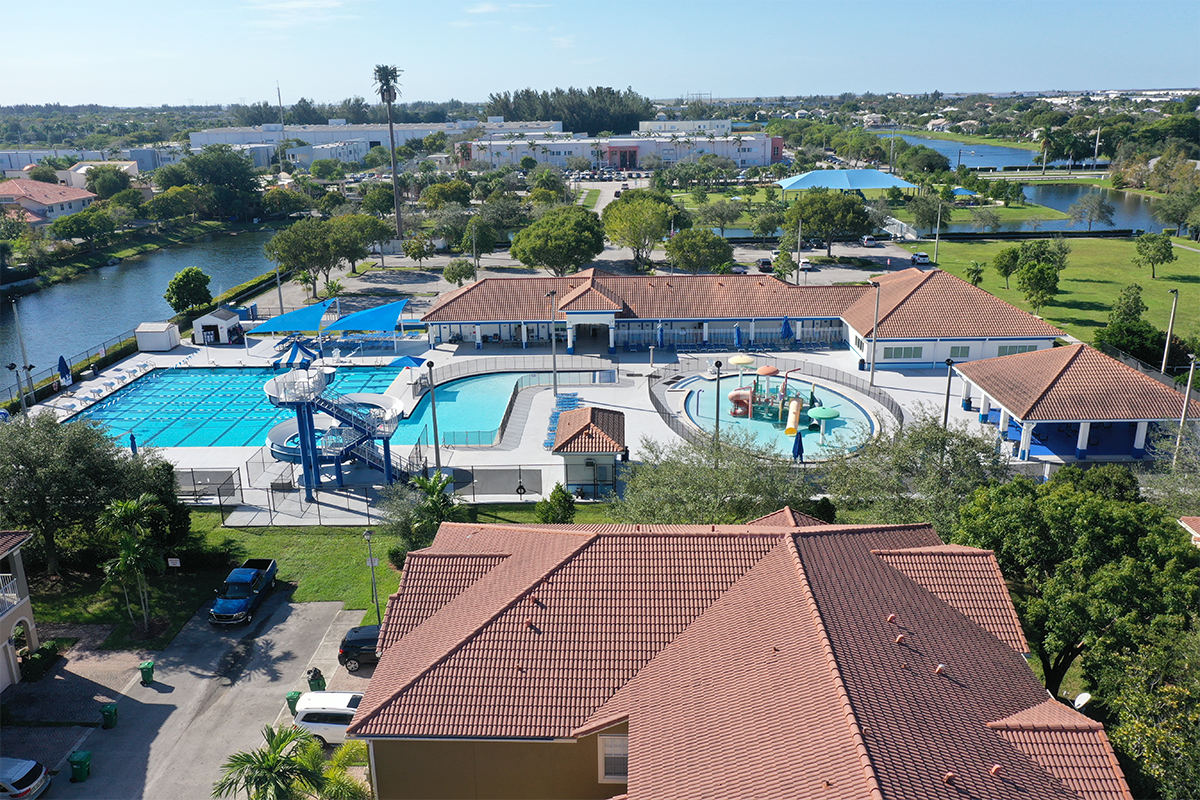
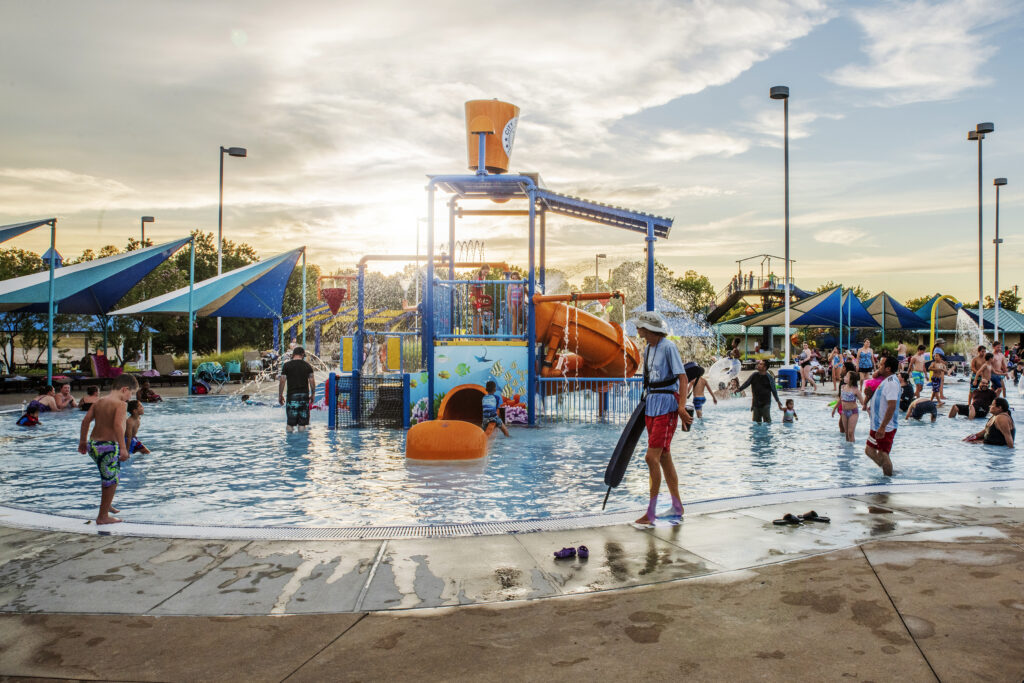
A sports tourism aquatic facility, typically built around a competition lap pool, a leisure or recreation pool, and a splash pad or water playground, requires an investment of $30.7 to $37.5 million based on Sports Facilities Companies’ (SFC) development data. That investment level reflects the complexity and ambition of a facility designed to serve both competitive athletes and everyday community users simultaneously.
Health and Wellness Benefits
The public health case for community aquatic centers is well established. Swimming is one of the most effective low-impact cardiovascular activities available, making it particularly valuable for older adults, people recovering from injury, and individuals managing chronic conditions. Aquatic exercise programs, water aerobics, aqua yoga, and therapeutic water walking serve populations that other recreation amenities simply cannot reach.
There is also the water safety dimension. Drowning remains a leading cause of accidental death for children in the United States, and communities with accessible, well-programmed aquatic centers are in a far stronger position to provide swim lessons and water safety education at scale. A public aquatic center is literally a life-saving infrastructure investment, and that case carries real weight in policy and funding discussions.
Year-Round Community Hub
The facilities that perform best financially are those that treat the aquatic center as a destination. SFC’s analysis of aquatic center revenue models highlights a wide range of income streams beyond general admission: private event rentals, birthday parties, aquatic certifications, sponsorships, concessions, membership programs, and specialty programming.
Facilities that actively develop these streams reduce their subsidy burden and build the kind of community loyalty that protects long-term public investment.
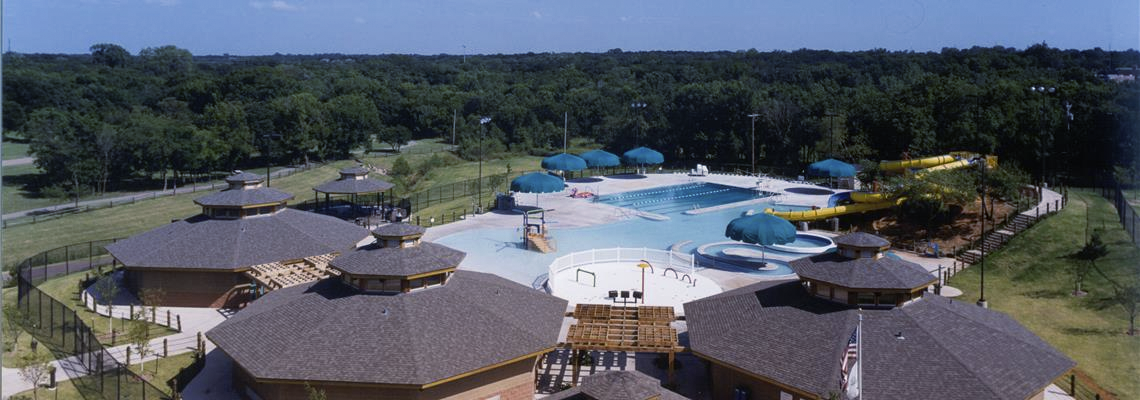
Creative programming is a major driver of that loyalty. SFC-managed Pelican Bay Aquatic Center in Edmond, Oklahoma, demonstrates how events like Doggie Paddle Day, dive-in movies, and holiday-themed activations introduce new audiences to a facility and convert occasional visitors into regulars. The pool becomes a place where people feel ownership and advocate for.
Equity and Water Safety
Public aquatic centers carry an equity dimension that private and commercial options can’t fulfill. When a municipality invests in a community pool that offers affordable access, reduced-cost swim lessons, and open programming, it extends water safety education and recreational opportunity to families who would otherwise go without.
That access gap is a genuine public health and equity issue, and the communities that close it with well-run public aquatic facilities are making an investment that pays forward for generations.
From feasibility and design through opening day and long-term operations, SFC brings specialized aquatics expertise to every phase of the project. Explore SFC’s aquatic center services, call us at 727-474-3845, or fill out our contact form to discuss what’s possible for your community.
Download
Sand Mountain Park Case Study