





By: Ally Azzarelli
Most think offering guests a modern state-of-the-art facility is what matters most, but it’s safety that is truly a priority to athletes, families, and staff members.
Families, event owners, and municipal partners assume that if they’re on your fields or in your venue, you’ve already thought through those worst-case scenarios long before they arrive.
Two of the most critical and emotionally charged risks for modern sports facilities are lightning and active shooter incidents.
According to the National Weather Service, roughly two-thirds of lightning deaths happen during outdoor recreation, including sports. Regarding active shooter incidents, over the past decade, shootings occurred at school sporting events at least 171 times, leaving 22 people dead and 171 wounded, according to ESPN.
“Easy-to-follow, straightforward lightning protocols and active shooter policies help reduce liability, protect lives, and preserve community trust. These must-have practices show that your operation is disciplined, professional, and prepared,” said Doug Grote, Sports Facilities Companies Regional General Manager.
Making Sports Facility Safety Protocols a Priority
“In an emergency, confusion can cost precious time, and every minute counts, especially when lives are at stake,” adds Grote. “When all your team members know exactly what to do, such as who to notify and where to go, your response becomes calm, controlled, and predictable even in tense, high-stress moments.”
For sports and recreation venues, that means:
- Defined lightning and severe weather protocols
- Documented active shooter and threat response plans
- Consistent communication and training across all departments and shifts
Policies on paper are only the beginning — the real impact comes when these protocols are lived out daily across your various venues and sports complexes.
Lightning & Severe Weather: Plan Before the Storm
Studies indicate that around 17% of lightning deaths are tied directly to sports activities such as soccer, golf, running, baseball, and football. Lightning delays and severe weather responses are among the most common safety scenarios for sports facilities — yet they can still cause confusion if expectations are unclear.
Strong lightning and severe weather protocols typically include:
- Defined thresholds for action: For example, suspending play when lightning is detected within a specific radius or when storms reach a certain severity level.
- Pre-identified safe areas: Clear routes and destinations for guests and staff, whether that’s an interior hallway, gym, or shelter-rated space.
- Communication scripts: Simple, consistent messages for PA announcements, scoreboards, social media, and staff radios so everyone hears the same instructions.
- Timelines for resuming activities: Transparent criteria for when it is safe to return to play, reducing pressure on game officials and staff.
“When guests see a proactive, organized response to weather, they feel more confident bringing their families back to your facility,” said Grote.
Active Shooter Preparedness: Difficult but Essential
There’s no doubt that active shooter discussions are uncomfortable, but unfortunately, they’ve become a critical part of modern risk management plans. A thoughtful approach balances preparedness with empathy, ensuring staff are trained without creating unnecessary fear.
Key elements of a strong active shooter policy include:
- Identified roles and responsibilities: Who calls 911, who initiates internal alerts, and who coordinates with law enforcement.
- Facility-specific procedures: Evacuation routes, shelter-in-place locations, and lockdown capabilities tailored to your building layout.
- Regular training and drills: Age-appropriate, role-appropriate training that equips staff to act under pressure.
- Post-incident support: Plans for reunification, communication with families, media response, and staff mental health resources.
By normalizing training and conversations around these topics, leaders send a powerful message: “Your safety is our priority, no matter what.”
Legal & Operational Safeguards
“Policies and drills are only part of the picture,” explains Sports Facilities Companies Assistant General Counsel Brandon Galvao. “Behind the scenes, smart legal and operational safeguards protect both guests and the organization.”
Galvao suggests that facility leaders work closely with legal counsel and risk management partners to review:
- Contracts with municipalities and vendors: Ensuring responsibilities for security, emergency response, and insurance coverage are clearly defined.
- Indemnification and hold harmless language: Clarifying who bears risk in specific scenarios and reducing ambiguity when incidents occur.
- Waivers and visitor agreements: Aligning waivers with current laws and making sure language is understandable to families, coaches, and participants.
“These tools don’t replace a strong safety culture, but they do help your facility manage risk more effectively and sustainably,” he adds.
Building a Culture of Safety Across All Properties
The most effective safety programs should be consistent and cohesive. The goal is to align policies so that guests experience the same high standard of care, whether they’re attending a tournament, camp, or community event.
That consistency is built through:
- Ongoing staff training: From general managers to part-time front desk staff, everyone understands their role in an emergency.
- Regular policy reviews: Lightning protocols, severe weather response plans, and active shooter policies are revisited and refined as best practices evolve.
- Clear internal communication: Shared templates, checklists, and debriefs help teams learn from every incident, drill, or near-miss.
- Community partnerships: Collaboration with local law enforcement, emergency management, and municipal partners strengthens preparedness on all sides.
“When safety is woven into daily operations, not just discussed in annual meetings, facilities become places where athletes, families, and staff can focus on what they came to do: play, compete, and connect,” advises Grote.
By putting safety first through strong lightning protocols, severe weather plans, and active shooter policies, sports and recreation facilities do more than reduce risk. They demonstrate care, build community trust, and create environments where every guest who walks through the doors feels protected and valued.
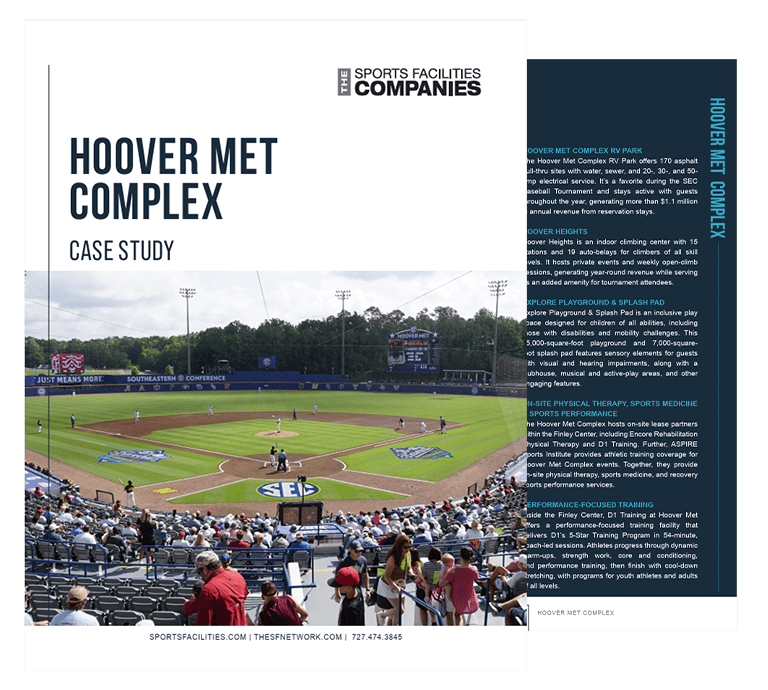
Download
Hoover Met Complex Case Study