




By: Ali Yenchick
Hurst Aquatics joined aquatic facilities around the world in participating in World’s Largest Swim Lesson Day (WLSL), an annual global initiative designed to spotlight water safety, swim education, and drowning prevention. In the U.S., drowning is the leading cause of death for children ages 1 to 4 and the second leading cause of unintentional injury death for children ages 5 to 14, making events like this an important way to keep water competency front and center.
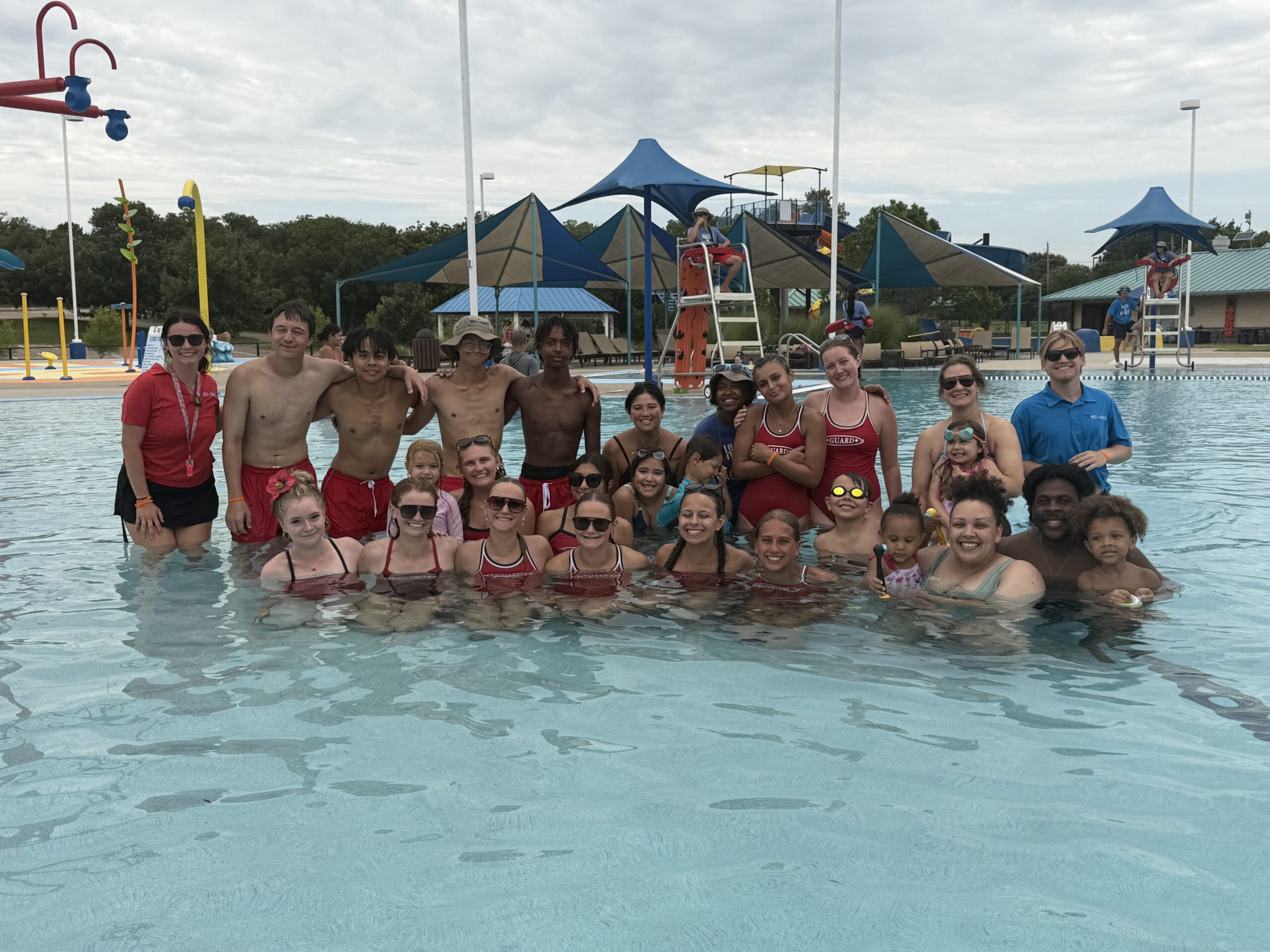
Hosted at Central Aquatics Center on June 25, the event gave families an opportunity to take part in a larger worldwide movement while experiencing firsthand the kind of safety-forward, community-based programming Hurst Aquatics is committed to offering.
The event brought 49 participants to Hurst Aquatics, giving the local venue a meaningful turnout for a program centered on building confidence in the water and reinforcing the lifesaving value of swim lessons. “We had a much better turnout than I expected,” said General Manager Zach Tekavec. “Everyone had a good experience, and we look forward to participating in the future.”
That outcome reflects what Hurst Aquatics aims to provide all season long: approachable, family-friendly aquatic experiences that help residents stay active, build skills, and feel more confident around the water.
The most compelling part of any economic impact report is the specificity of the data, because vague projections do not move decision-makers. What moves them is this: a single weekend youth volleyball tournament attracting 40 teams from out of state generates an estimated 600 hotel room nights, $180,000 in direct visitor spending, and $14,000 in local tax revenue. Multiply that by 30 weekends of competitive events per year, and the picture becomes very clear.
A well-constructed sports tourism economic impact report will model these numbers by event type, by season, and by market size, and distinguish between local participation (residents who would spend that money in the community regardless) and out-of-market visitors whose dollars are genuinely new to the local economy. That distinction matters enormously to the people reading the report because out-of-market visitor spending represents true economic development.
“Water safety is about more than one event. It is about giving families the knowledge, confidence, and skills they need to be safer in and around the water every day,” said Tekavec.
As Hurst Aquatics continues its summer programming, participation in the annual World’s Largest Swim Lesson Day served as both a meaningful community moment and a reminder that swim education can have an impact far beyond the pool deck.
Communities looking to strengthen aquatics programming, enhance operations, or plan future facility improvements can contact The Sports Facilities Companies for expert aquatics facility consulting and management support.
Download
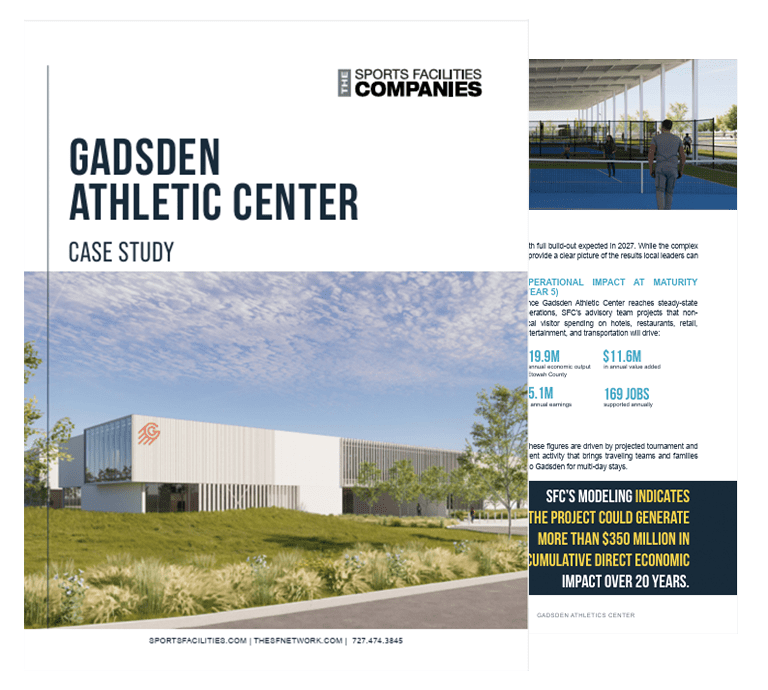
Gadsden athletic center case study