




By Ali Yenchick
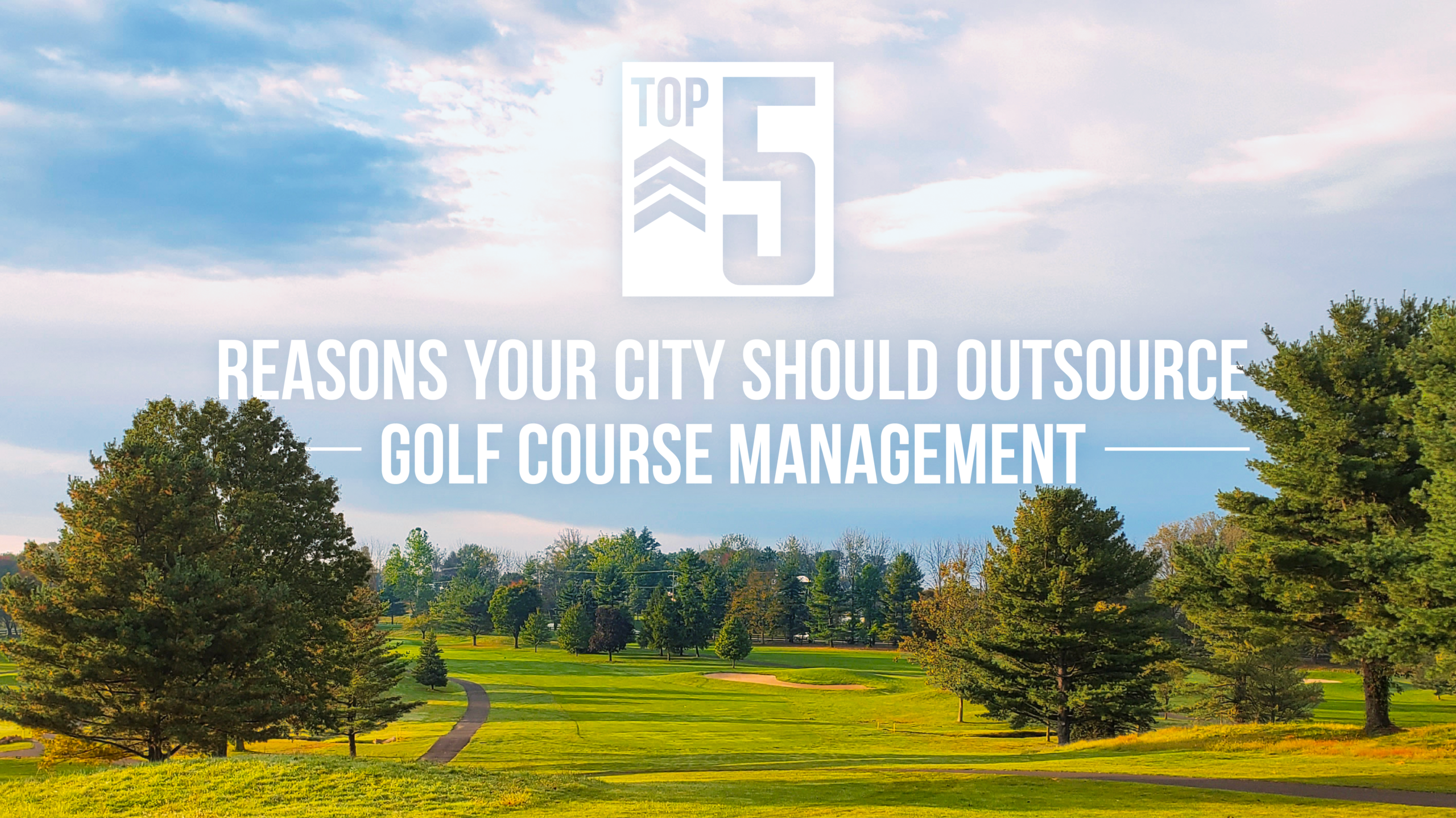
Picture your quiet morning tee time: dew still on the fairway, a few familiar faces gathering around the first tee, and the satisfaction of sending your opening drive right down the middle.
The demand for golf continues to rise. According to the National Golf Foundation, 48.1 million Americans age 6 and older participated in golf on-course or off-course in 2025, including 29.1 million on-course golfers. Nearly 4 million juniors played on a course, and junior participation was up 58% from 2019. Women also represented 28% of on-course golfers, matching the highest proportion on record.
Municipal golf courses are public assets with private-sector performance expectations. Participation growth does not automatically translate into better municipal golf performance. A course needs the right people, systems, programming, marketing, and long-term plan to capture that demand.
Outsourcing golf course management to experts like The Sports Facilities Companies (SFC) isn’t giving up control––It’s a partnership for specialized expertise, transparent accountability, and the operating infrastructure required to turn a municipal course into a stronger community asset. Here are five reasons your city should consider it.
1. Your Course Needs Golf Experts
Running a golf course is a specialized business that combines turf and agronomy, tee-sheet management, retail, food and beverage, instruction, tournaments, customer service, staffing, and financial controls.
A professional golf course management company brings golf-specific leadership and operating systems to every part of the facility. That may include PGA Professional oversight, structured staff training, merchandising strategy, player development, tournament sales, agronomic planning, and consistent performance reporting.
This expertise matters because golfers notice the details. They notice whether the greens are playable, whether tee times are easy to book, whether staff is prepared, and whether the experience feels welcoming from arrival through the final hole. When those details are managed inconsistently, the course can lose repeat customers even when the underlying asset has strong potential.
Third-party management also gives a city access to a deeper bench of knowledge than it can build internally. Instead of asking one department to solve every golf-specific challenge, the city can partner with a team that works across operations, agronomy, finance, marketing, food and beverage, and programming every day.
If your city wants better outcomes, it must start with the right bench of experience.
2. Outsourcing Can Strengthen Financial Performance
A municipal golf course should operate with discipline, diversify its revenue, and reduce pressure on public dollars wherever possible.
A well-positioned course may generate income through:
- Cart rentals and practice facilities
- Pro shop sales and club services
- Food and beverage operations
- Leagues, lessons, and player development programs
- Tournaments, outings, and corporate events
- Memberships, packages, and loyalty programs
The challenge is connecting these revenue streams into one operating strategy. A course may have a strong layout but underperform because its tee sheet is not actively managed, its off-peak inventory is not packaged, its events program is underdeveloped, or its food and beverage operation is not aligned with customer demand.
An experienced operator can benchmark performance, identify incremental revenue opportunities, improve controls, and create a plan that connects daily operations to the city’s financial goals. That may mean filling slower tee times, building a stronger tournament pipeline, improving retail margins, or using programming to extend the season and increase repeat visits.
Just as important, professional management can give public owners clearer financial visibility. Regular reporting, budget-to-actual tracking, and defined performance measures help city leaders understand what is working, where the gaps are, and what investments may be needed next.
A course needs a business model that protects access while making the asset work harder and more sustainably.
That financial upside gets even stronger when the course becomes more active, more visible, and more relevant to the community.
3. Better Programming Builds a Bigger, More Loyal Player Base
The most successful municipal golf courses create demand through programming that welcomes new players, serves existing golfers, and gives residents more reasons to return.
The growth of junior golf makes this especially important. With junior participation up 58% over the last seven years, cities have an opportunity to use their courses as entry points for the next generation of golfers. But junior development is only one part of the picture. A complete player-development strategy may include:
- Junior academies and seasonal camps
- Learn-to-play clinics for beginners
- Adult instruction and group lessons
- Leagues for different ages and skill levels
- Women’s, family, senior, and community play opportunities
- School, nonprofit, and youth-organization partnerships
- Short-game, practice, and introductory golf experiences
These programs help fill a course’s off-peak times, create repeat customers, and build a more welcoming environment for residents who may not see themselves as traditional golfers. They also create a pathway from first lesson to regular play, which is essential for long-term participation and revenue growth.
Professional golf operators can design the programming calendar, recruit instructors, train staff, manage registration, market the opportunities, and measure participation.
For city leaders, the benefit goes beyond rounds played. Strong programming supports youth development, active recreation, social connection, and broader access to a public asset. It helps the course serve more residents more often.
And once programming improves, marketing has something real to amplify.
4. Professional Management Expands Reach and Revenue Through Smarter Marketing
A strong golf course needs active promotion, clear positioning, convenient booking, and a consistent reason for golfers to choose it.
Golf-specific marketing can help a municipal course reach beyond its immediate base of regular players. A professional operator may build campaigns around seasonal offers, leagues, instruction, tournaments, dining, events, and community programming. It can also use customer data and booking trends to better understand who is visiting, when demand is strongest, and where new audiences may exist.
That approach can improve performance across the entire guest experience, including:
- Tee-sheet utilization and online booking
- Tournament and outing sales
- Digital marketing and local search visibility
- Social media and email engagement
- Pro shop and food and beverage promotions
- Customer service and loyalty strategies
- Community partnerships and public relations
Marketing is also connected to economic development. A well-run course can attract tournaments, charity outings, corporate events, and regional golfers who spend money at nearby restaurants, hotels, retailers, and other businesses. The course becomes a true destination that supports local activity.
This is where a national platform can add meaningful value. The Sports Facilities Companies combines golf-specific operating expertise with broader resources in marketing, finance, event sales, and venue management. That gives municipal owners a partner that can think locally while bringing systems and reach from a larger network.
Of course, it also matters that the course is in great shape.
5. Cities Get Better Course Conditions and Lower Operational Risk
Course conditions are foundational to the golfer experience and the long-term value of a municipal golf asset.
The SFC Golf Team can help assess and prioritize capital needs, develop realistic short- and long-term capital plans, explore potential funding options, and provide the resources and expertise needed to manage projects from planning through completion. This can include everything from irrigation and drainage improvements to clubhouse renovations, equipment replacement, course improvements, and larger redevelopment projects.
This proactive approach helps cities move from reactive maintenance to long-term stewardship while giving leaders a clearer understanding of which investments are needed now, which can be phased over time, and how each project supports playability and performance.
Professional management can also strengthen operational consistency through established systems for staffing, training, safety, compliance, financial controls, and vendor coordination. The result is a better experience for golfers and a more protected public investment for the city.
The Case for Outsourcing Municipal Golf Course Management
Municipal golf courses are too important to be treated like passive amenities. When managed well, they generate revenue, serve residents, support youth development, attract visitors, and strengthen community pride.
For cities that want stronger performance without building a golf management operation from scratch, outsourcing is often the most practical path forward. The right partner can bring specialized golf expertise, financial discipline, programming, marketing, agronomy, and operational accountability under one coordinated strategy.
Explore municipal golf course management solutions or connect with SFC to discuss what stronger golf operations could look like in your city.
Download
The Rise of Next-Generation Mixed-Use Developments