



By: Ally Azzarelli
Municipalities across the state of Florida are watching a proposed constitutional amendment that will change how local governments collect and use property tax revenue if approved by voters on Nov. 3, 2026. The increasing budget pressure means finding thousands and often millions of dollars to cut from a municipal budget. Unfortunately for residents, that means quality of life amenities deemed non-essential like parks, recreation, arts, and libraries are the first to go.
According to the Florida House of Representatives’ fiscal analysis, the Revenue Estimating Conference estimates a recurring reduction of nearly $12 billion in local non-school property tax revenue once fully phased in. Report findings from the Tax Foundation, an independent tax policy nonprofit, show that property taxes account for 74 percent of local tax collections in Florida. A community’s exposure will depend on its tax base, property values, millage rates, revenue mix, and budget obligations. Municipal leaders should understand their exposure now, before a revenue shortfall forces rushed decisions.
The amendment would take effect Jan. 1, 2027, if 60% of voters approve it.
Which Programs Should Communities Prioritize?
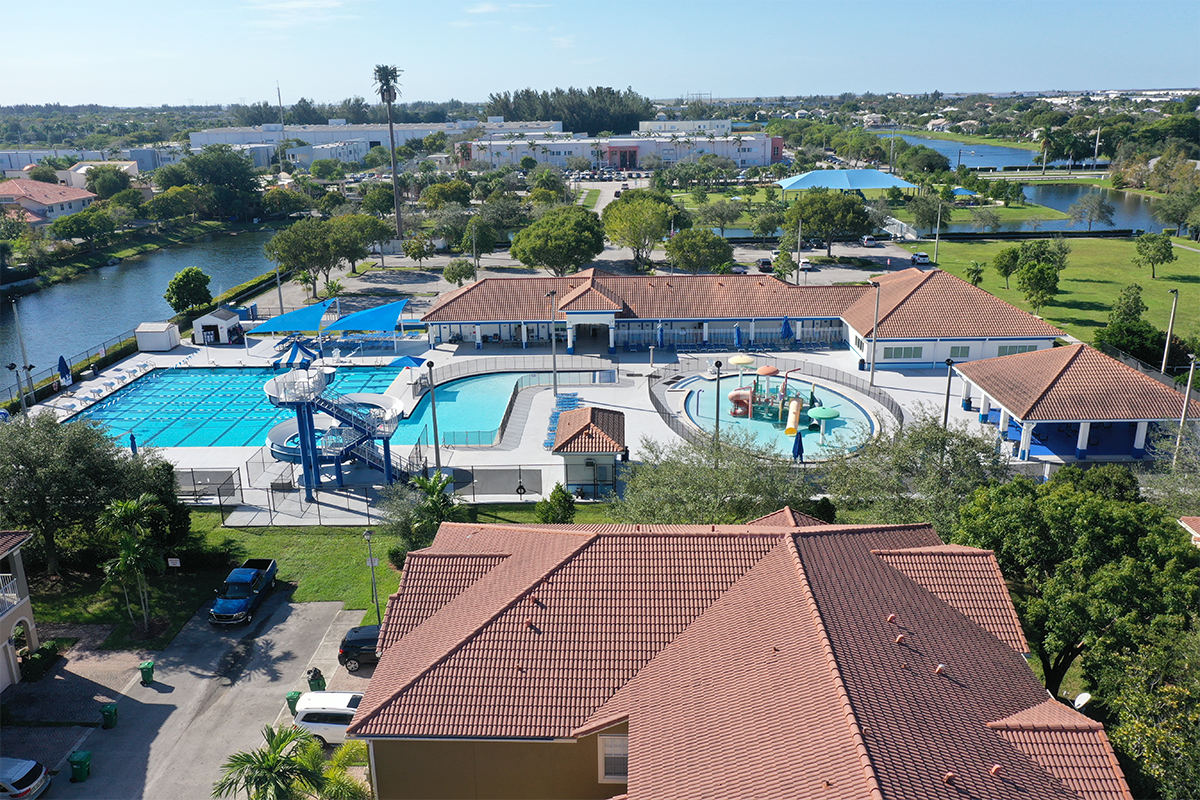
Amidst these budget conversations, one Florida mayor recently reported a plan to cut 50 members of their parks and recreation staff, halt a park renovation project, and potentially close a community pool. When paired against a reduction in police officers and critical infrastructure work, it’s a tough but understandable choice to make.
So where do leaders draw the line when considering how and when to tighten the fiscal belt? When the impact crosses the line from recreational opportunities to matters of community health and safety, the equation changes.
Here are a few considerations for programs and activities with direct public health and safety outcomes:
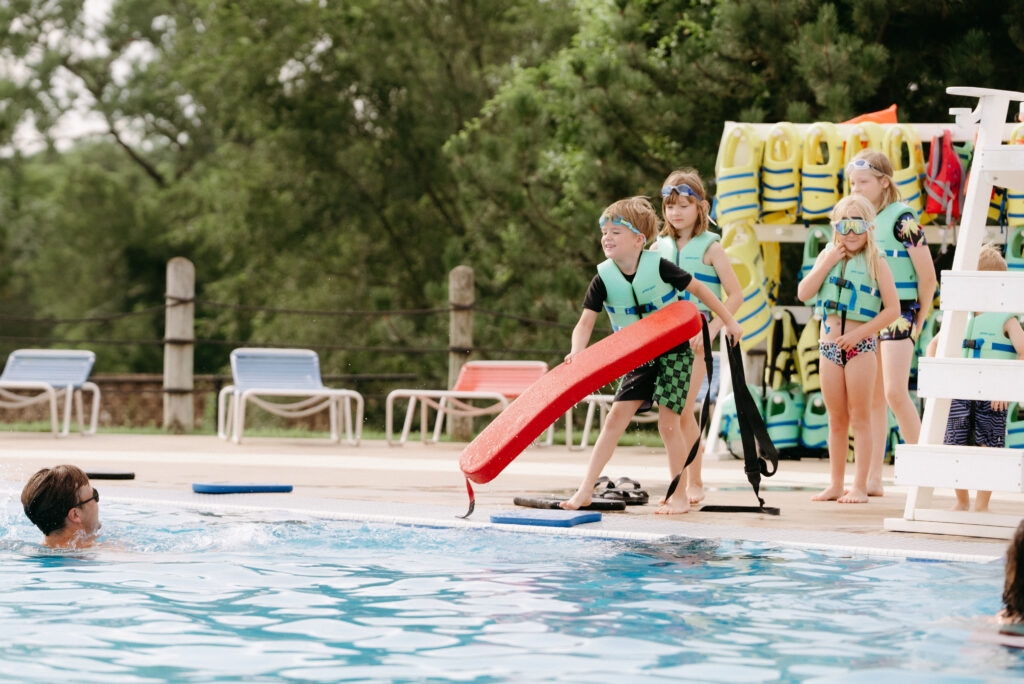
- Unintentional drownings are the leading cause of death among children ages 1-4. Low cost learn-to-swim and water safety classes actively help prevent these deaths for children and families especially those in low income brackets. According to a study commissioned by the USA Swimming Foundation and conducted by the University of Memphis and the University of Nevada, Las Vegas, 79% of children in households with incomes less than $50,000 have few-to-no swimming skills.
- Senior programs and older-adult wellness activities that can help residents stay active and connected. According to an AARP study, 40% of U.S. adults, ages 45 and older, report incidence of isolation, which studies have shown can be linked numerous health outcomes, including heart disease, stroke, dementia, and suicidal ideation.
- Adaptive and therapeutic recreation for residents with disabilities or specialized support needs.
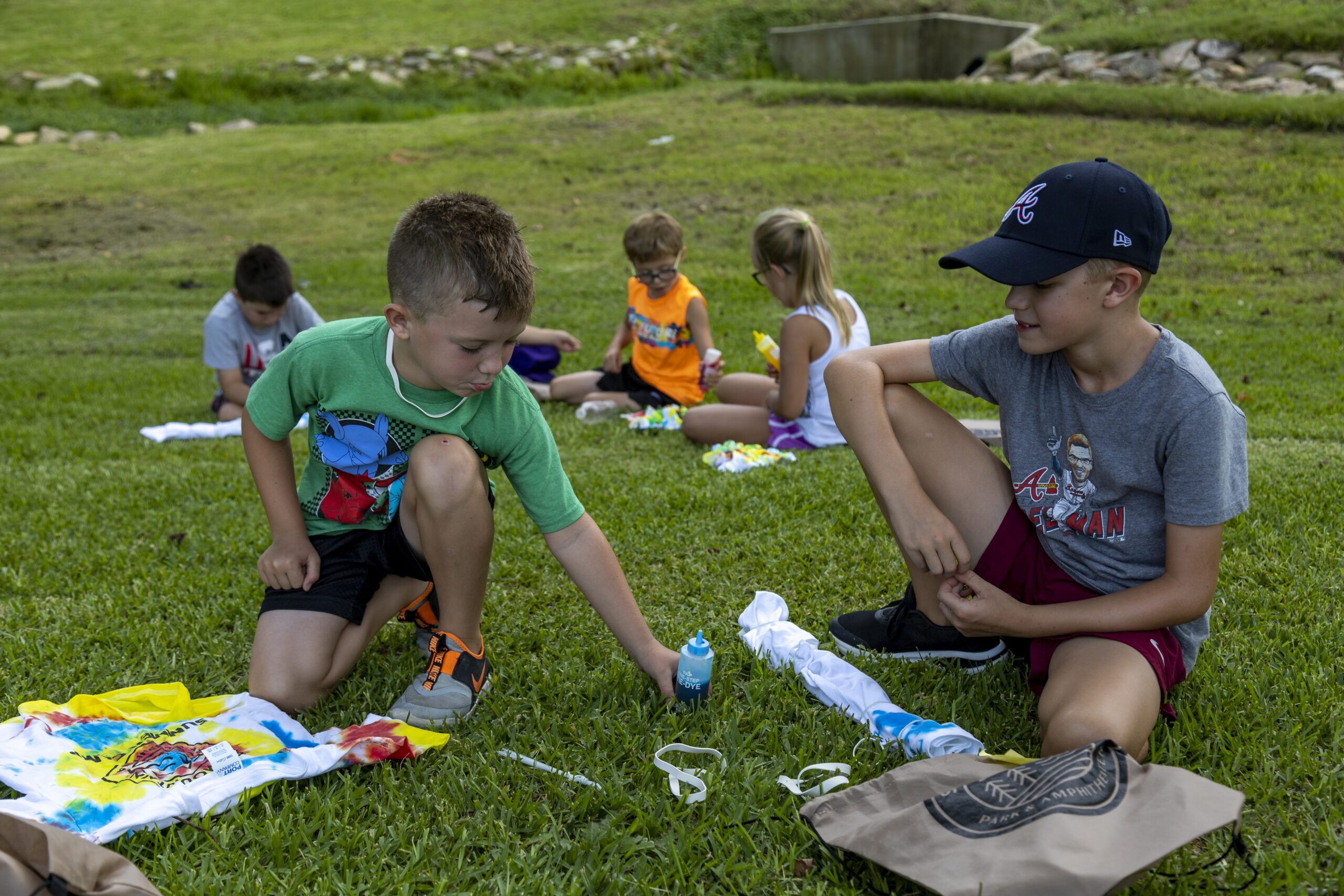
- After-school, summer, and affordable youth programs that provide supervised activity and help families manage cost and schedule barriers. The impact of this cannot be understated. According to a study from the Aspen Institute’s Project Play initiative, physically active children are less likely to engage in negative or risky activities such as smoking or drug use. The study also shows that physically active children have up to 40% higher test scores.
- Low-cost open recreation, playgrounds, and neighborhood programs that serve residents without memberships or reliable transportation to private facilities. The Centers for Disease Control and Prevention surveyed over 1 million adults and found that poor mental health days among the group dropped by more that 40%. Poor mental health were described by the study as ones that involved, stress, depression, or emotional concerns.
These are priority targets. Test each against participation, need, cost, funding restrictions, safety impact, and reasonable alternatives. A smaller program may deserve protection if those residents have nowhere else to go.
Don’t wait for an Amendment 3-influenced cut to begin this review. Build an inventory of operating costs, revenue, utilization, participation, staffing needs, maintenance condition, and community role. Then model the impact of reducing hours, increasing fees, or closing a service.
What Municipalities Can Do Before Cuts Arrive
- Model the exposure
Start with scenarios. Model the impact of a 5%, 10%, or larger reduction in general fund support on each facility and program. Include staffing, utilities, insurance, maintenance, debt service, capital reserves, and realistic revenue assumptions. What can recreational assets be saved by reducing hours or availability without closure? If each program or facility was evaluated as a stand-alone business has the highest and lowest tax burden rates?
- Strengthen earned revenue without pricing out residents
There are numerous ways to reduce parks and recreation subsidy without cutting costs or over-pricing residents. Food and Beverage sales, non-profit partnerships, event rentals, group sales, and memberships are the most underutilized pathways to generating revenue in parks and recreation departments.
Professional Sports & Recreation partners like SFC can provide both a financial forecast and outlook for those improvements – as well as become the team to lead execution under the city to produce better financial results. This is not a move towards privatization, it’s an operating partnership where the municipality maintains control, financial transparency, and oversight.
- Build a sponsorship program that offers real value
Local and regional businesses are more inclined to support facilities and programs when sponsorship packages link their investment to measurable community outcomes and meaningful visibility. Leverage your existing assets – programs, events, facilities, signage to engage the local business community for custom partnership opportunities. These business partners can be the hero of saving the local recreation center, summer camp, or swim lesson the community counts on.
4. Open the door to regional collaboration
Connect with your neighboring municipalities – sharing staff, combining once-competing programs, group negotiating with vendors, joining forces for messaging or promotions are all ways to lessen the burden of a single government entity and maintain more community services.
Proactive Leadership Now
Municipal budgets are getting squeezed. Whether Amendment 3 passes or fails, local government leaders need reliable data, proven strategies, and increased revenue aligned with community priorities before cuts become the only available response.
SFC’s advisory services help municipalities evaluate market demand, financial viability, economic impact, partnerships, and long-term planning. Our optimization services can help your team review an existing facility’s operations, financial performance, and marketing and business development opportunities, and then turn those findings into a practical plan.
If your city is concerned about Florida Amendment 3, local government budget pressure, or the future of its parks and recreation assets, we can help your team prioritize programs and strengthen performance before difficult decisions are required.
Download
The Rise of Next-Generation Mixed-Use Developments