




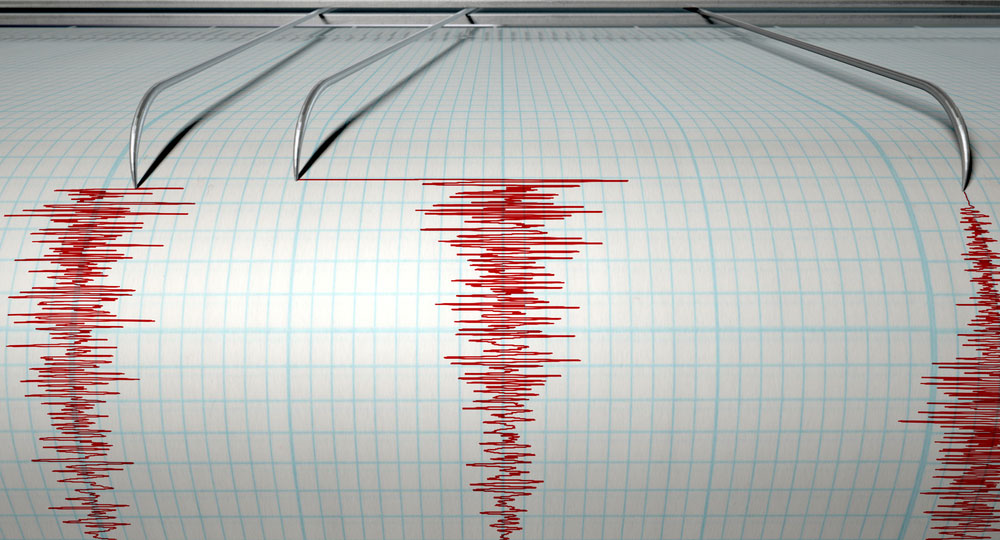
Natural disasters are sudden and powerful, perhaps none more so than earthquakes. With our inability to predict when they will strike, it is crucial that we prepare for the worst when designing and engineering our facilities’ buildings.
In many high-risk areas in the US, there are strict building standards to ensure that new buildings are designed to withstand potential seismic activity. But the truth is that earthquakes can strike anywhere at any time. When building a sports complex, designing with seismic safety in mind is critical. Today, the SFA team will discuss some of the innovative ways engineers design a sports complex in order to stand up to the power of an earthquake.
Stiffness and Strength
When designing buildings to withstand seismic activity, engineers recommend designing for adequate lateral and vertical stiffness and strength. Engineers can incorporate a variety of columns, braces, and beams in order to transfer seismic forces back to the ground.
The material of the building is also an important decision when designing your sports complex. Structures made of brick and stucco are notoriously poor performers during earthquakes. Instead, opting for steel and wood allows much more ‘fluidity’ during seismic activity.
A Stable Foundation
Beyond the construction of the sports complex that matters, the ground and foundation quality are also crucial factors when designing an earthquake-resistant building. If your building is built on soft rock or soil it will not adequately stand up to seismic activity in a way that sturdy bedrock will. Loosely packed or soft soils are also at risk of liquefaction during an earthquake. These materials temporarily behave like liquids and can cause the ground to sink or slide slide and ultimately take the building with it.
A Light Roof
One important aspect of designing your building for earthquake resistance is the composition of the roof. As a rule, the lighter the roof the better. A light roof helps to decrease the lateral load on your building, which makes it less likely to topple over during an earthquake. Examples of lightweight roofing material include metal sheet roofing or fiberglass shingles. A professional team will help you select a material that offers low bearing-weight without sacrificing aesthetic quality.
Contact Sports Facilities Advisory Before You Build
The expert team at Sports Facilities Advisory can help to ensure your sports complex exceeds your engineering and quality expectations. Our wealth of experience enables our team to work with leading experts in the field of engineering and design. Contact our team today to learn how SFA can help you design your ideal sports complex that is safe in all scenarios.