




By: Ally Azzarelli
Communities across the country are rethinking what a sports facility can be, as today’s most forward-thinking municipalities and developers invest in multi-sport athletic complexes — purpose-built venues designed to host a wide range of athletic programming, attract regional and national tournament traffic, and serve as genuine anchors of community life.
When done right, a multi-sport complex can easily become an economic engine, a gathering space, and a long-term civic asset.
What Is a Multi-Sport Athletic Complex?
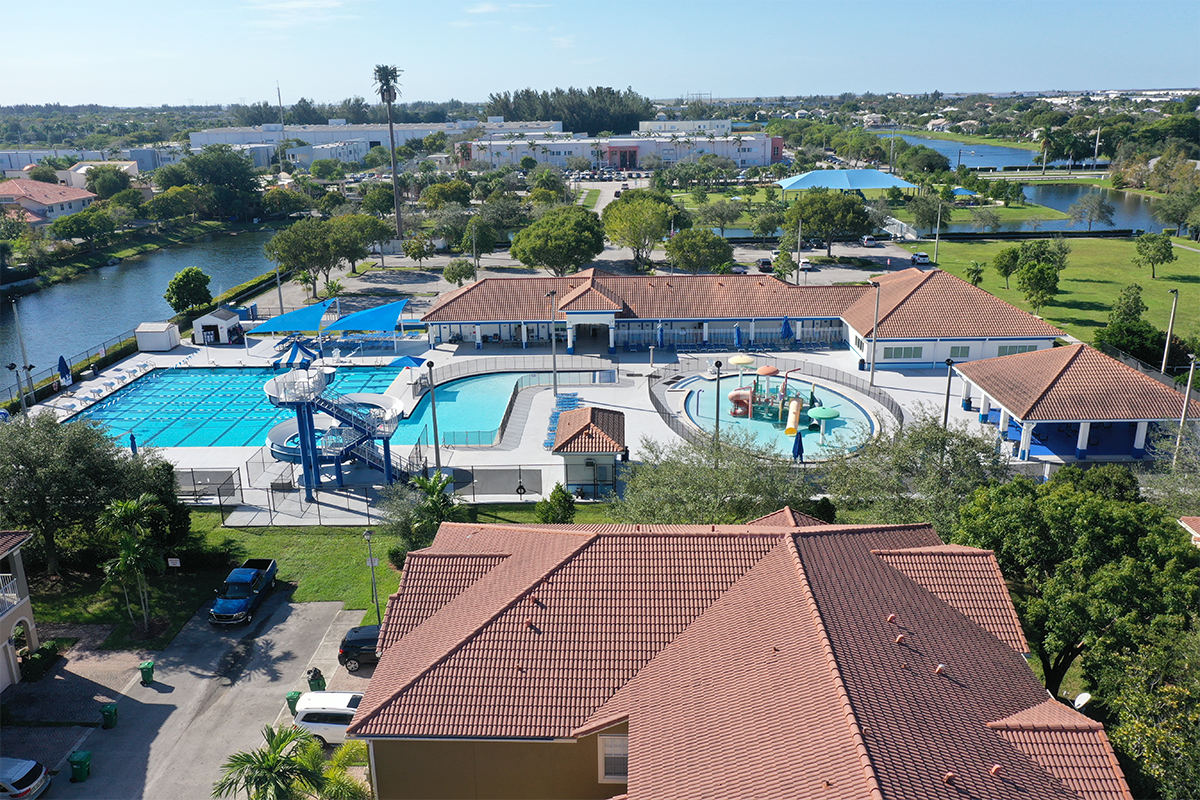
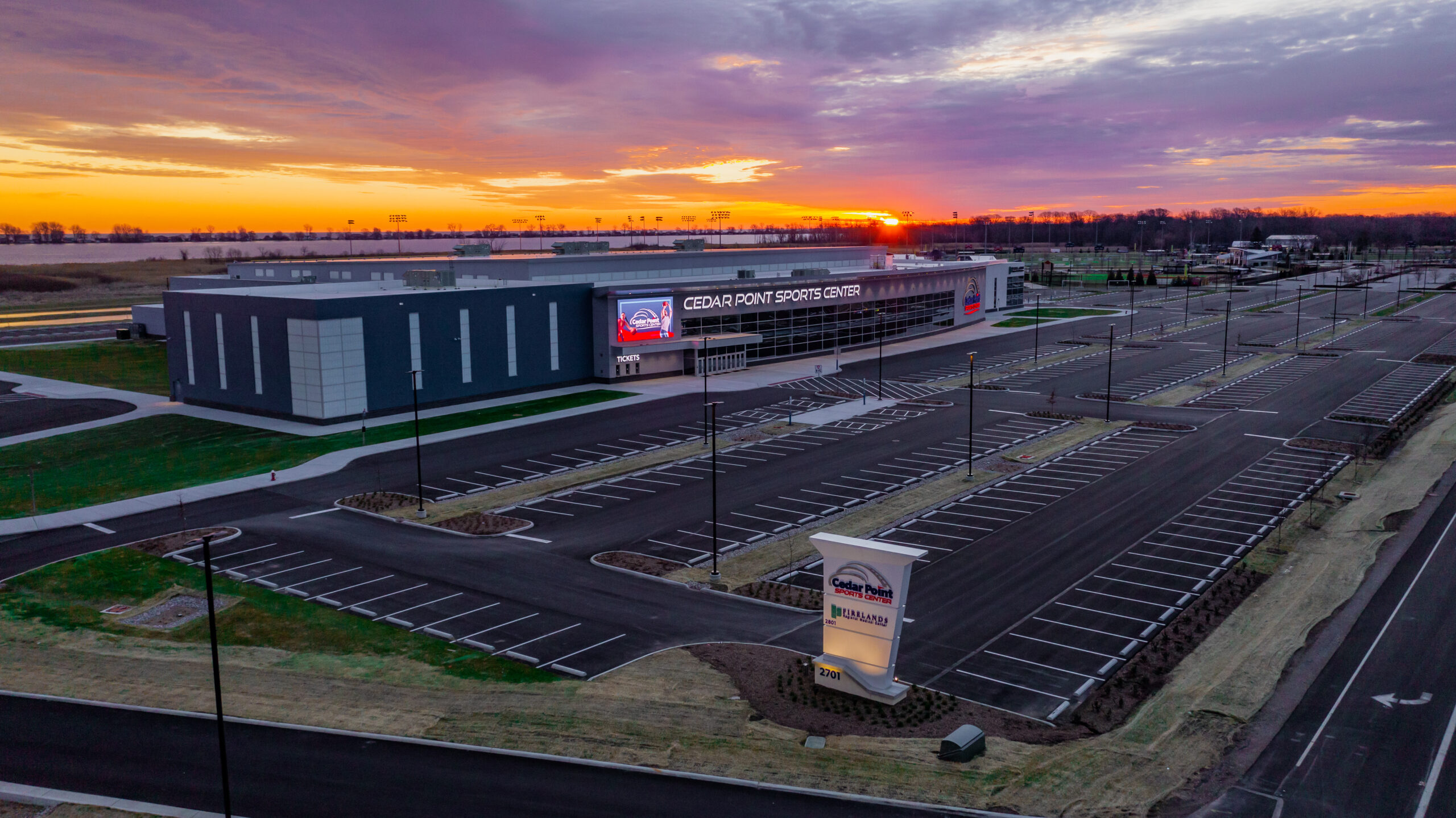
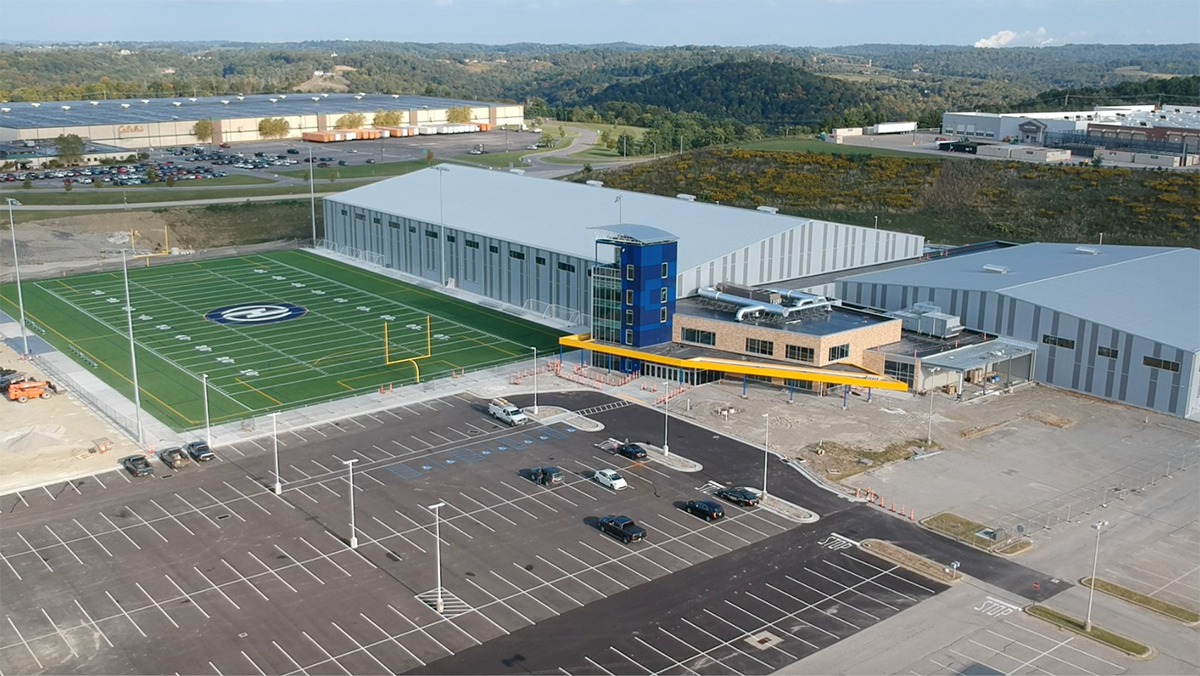
A multi-sport athletic complex is a facility — indoor, outdoor, or both — designed to accommodate multiple sports disciplines under one roof or within one connected campus. These venues typically feature a combination of hardwood courts, turf fields, aquatic facilities, fitness spaces, and supporting amenities such as food and beverage, spectator seating, and event infrastructure.
Unlike single-sport facilities, multi-sport complexes are built for flexibility and can host a volleyball tournament on a Saturday, a youth basketball clinic on Sunday, and a corporate fitness event on a weekday — all without significant reconfiguration. That versatility is what makes them so valuable to the communities that build them. A perfect example of this is Sand Mountain Park & Amphitheater.
The Community Case for Multi-Sport Venues
The most compelling argument for investing in a multi-sport athletic complex centers around economic and civic benefits.
When a community builds a well-designed, well-operated multi-sport facility, it creates a consistent draw for travel sports tourism. The keyword here is local. Families traveling for weekend tournaments fill local hotels, eat at local restaurants, and shop at local businesses.
According to research from the Sports Events and Tourism Association, in 2023, sports tourism generated $52.2 billion in direct economic impact, drawing more than 200 million travelers to amateur and collegiate events, an obvious sign of the sector’s broad, cross-sport appeal and its ability to consistently drive visitation.
In addition to tourism dollars, these facilities serve their own residents through youth development programming, adult recreational leagues, fitness classes, and community events, giving local families a reason to stay close to home and giving municipalities a powerful quality-of-life differentiator when competing for residents and businesses.
What Separates a Best-in-Class Facility From the Rest
The difference between a multi-sport complex or venue that thrives and one that underperforms often comes down to three factors: design, programming, and operations.
Design – Facilities built with proper court and field dimensions, adequate locker rooms and spectator capacity, smart food-and-beverage infrastructure, and flexible space configurations can host more and better events. Value engineering decisions made during construction, such as cutting the kitchen exhaust hood capacity, can have lasting consequences for the facility’s revenue potential.
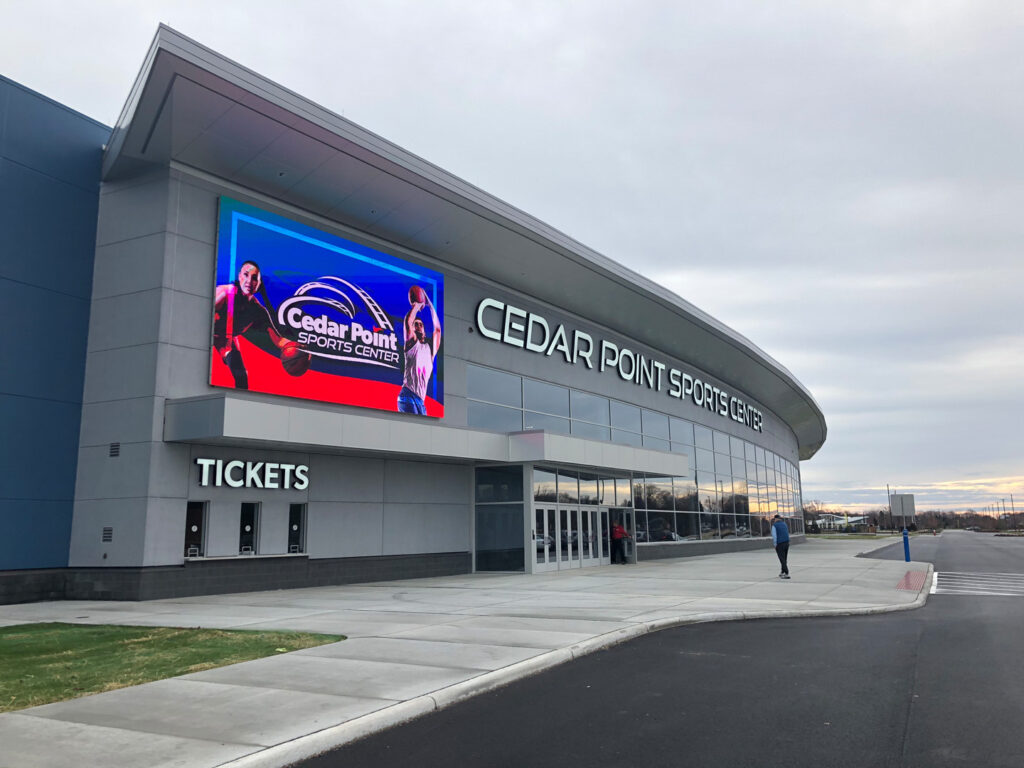
Programming – A multi-sport complex requires a well-balanced mix of competitive tournament events, community programs, and recurring leagues to optimize floor time and ensure steady revenue throughout the year. The facilities that succeed most are those with dedicated programming staff who understand both the competitive sports landscape and the needs of their local community.
Operations – Day-to-day excellence, from customer experiences and staff training to maintenance standards and financial management, is what converts a good first impression into repeat business. Tournament directors talk to each other, and a facility’s reputation travels fast.
Planning Your Multi-Sport Complex: Where to Start
Whether you’re a municipality exploring a new facility, a developer evaluating a mixed-use sports anchor, or an organization looking to expand an existing venue, the planning process matters enormously.
A thorough feasibility study should examine your local market, the competitive landscape, realistic demand projections, and the financial model that will sustain the facility long term. Getting those projections right, and stress-testing them honestly, is the difference between a facility that delivers on its promise and one that becomes a burden on its budget.
Equally important is understanding what professional management can contribute from the start. Operators who bring national programming networks, data-informed staffing models, and cross-venue experience don’t just improve performance after opening day — they shape better decisions throughout the design and development process.
Build Something Worth Coming Back To
The communities getting multi-sport facility development right aren’t building venues. They’re building destinations — places that attract athletes, engage residents, and generate lasting economic activity for the cities and towns that invest in them.
Sports Facilities Companies has helped communities across the country plan, develop, and operate multi-sport athletic complexes that deliver on their promise, from feasibility and design consulting to full-service venue management.
Whether you’re starting from scratch or looking to optimize an existing facility, our team brings the expertise, data, and national network to help you build something worth coming back to.
Ready to explore what a multi-sport athletic complex could mean for your community? Connect with SFC’s experts online or by phone at 727-474-3845 today.
Download
Gadsden athletic center case study